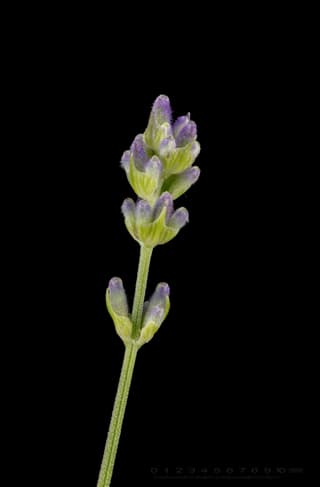
Lavender with Grey Mould: Prevention & Cure
Lavandula
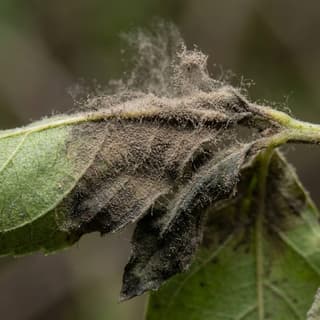
Grey Mould on Lavender: What to Know?
Grey Mould on Lavender (Lavandula) is a fungal condition with moderate severity. Lavender has moderate susceptibility to this disease.
Lavender is a easy-care plant.
Unlike bacterial infections, Grey Mould on Lavender can be managed with organic fungicides. Without precautions, chemical treatments for Grey Mould can be harmful to pets. Use organic methods for Lavender in pet-friendly homes.
🌱 How to Care for Lavender to Prevent Grey Mould?
💧 How to Water
Water lavender deeply but infrequently, approximately every 10–14 days during the growing season. Allow the soil to dry out completely between waterings. Once established, lavender is highly drought tolerant. Never allow the soil to remain soggy — overwatering is the primary cause of lavender death, leading to root rot.
☀️ Lighting
Lavender requires full sun — a minimum of 6 to 8 hours of direct sunlight per day. Insufficient light reduces flowering and increases susceptibility to fungal diseases. Indoors, place the plant within one foot of a south-facing window.
🪴 Ideal Soil
Plant in sandy, gravelly, or well-drained soil with low organic content. Avoid clay-rich or moisture-retentive soils. The ideal pH range is 6.5–7.5 (neutral to slightly alkaline). Amend heavy soil with coarse sand or perlite to improve drainage.