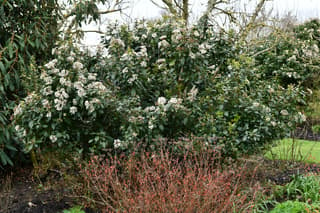
Laurustinus with Botrytis? Rare but Treatable
Viburnum tinus
Botrytis on Laurustinus: What to Know?
Botrytis on Laurustinus (Viburnum tinus) is a fungal condition with moderate severity. Laurustinus has low susceptibility to this disease.
Laurustinus is a easy-care plant.
Unlike most plants, Laurustinus has natural resistance to Botrytis. Best treated with preventive measures rather than reactive treatment. Unlike bacterial infections, Botrytis on Laurustinus can be managed with organic fungicides. Without precautions, chemical treatments for Botrytis can be harmful to pets. Use organic methods for Laurustinus in pet-friendly homes.
🌱 How to Care for Laurustinus to Prevent Botrytis?
💧 How to Water
Water deeply once every 7-10 days during the first two growing seasons. Mature plants only need supplemental water during prolonged summer drought.
☀️ Lighting
Thrives in full sun to partial shade; at least 4 hours of direct sun encourages the best flowering and berry production.
🪴 Ideal Soil
Prefers well-draining, humus-rich soil; sandy loam is ideal. Tolerates mildly acidic to mildly alkaline pH.