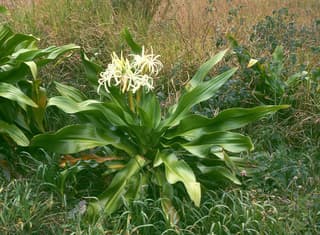
Poison Bulb with Botrytis: Prevention & Cure
Crinum asiaticum
Botrytis on Poison Bulb: What to Know?
Botrytis on Poison Bulb (Crinum asiaticum) is a fungal condition with moderate severity. Poison Bulb has moderate susceptibility to this disease.
Poison Bulb is a easy-care plant.
Unlike bacterial infections, Botrytis on Poison Bulb can be managed with organic fungicides. Without precautions, chemical treatments for Botrytis can be harmful to pets. Use organic methods for Poison Bulb in pet-friendly homes.
🌱 How to Care for Poison Bulb to Prevent Botrytis?
💧 How to Water
Water every 7 days during the growing season, keeping soil consistently moist but never waterlogged. Reduce watering in cooler months. Overwatering is the primary cause of bulb rot.
☀️ Lighting
Provide full sun (6-8 hours daily). Can tolerate partial shade in intense heat climates, but flowering will be reduced significantly.
🪴 Ideal Soil
Use rich, well-draining soil amended with compost and perlite. Ideal pH between 6.0 and 7.0. Plant bulbs with the top third exposed above soil level.