
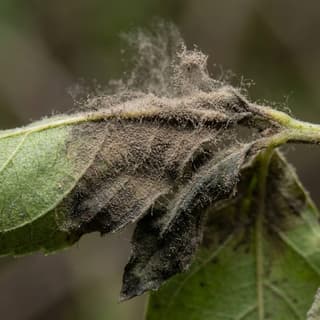
Lisianthus Prone to Grey Mould: How to Protect
Lisianthus russellianus
Grey Mould on Lisianthus: What to Know?
Grey Mould on Lisianthus (Lisianthus russellianus) is a fungal condition with moderate severity. Lisianthus has high susceptibility to this disease.
Lisianthus is a medium-care plant. As an indoor plant, ensure good ventilation to aid recovery.
Lisianthus is highly susceptible to Grey Mould, unlike most plants in the same family. Unlike bacterial infections, Grey Mould on Lisianthus can be managed with organic fungicides.
🌱 How to Care for Lisianthus to Prevent Grey Mould?
💧 How to Water
Water when the top few inches of the substrate are dry to the touch, maintaining constant moisture but never waterlogging. Prefer watering at the base or via drip irrigation, avoiding wetting the leaves, buds, and flowers, as excess moisture favors fungal diseases like botrytis.
☀️ Lighting
Provide at least six hours of direct sunlight or very bright light per day. In very hot climates, light shade during the midday sun helps prolong flowering and prevents the petals from drying out.
🪴 Ideal Soil
Use a substrate rich in organic matter, lightweight, and with excellent drainage, such as a mix of potting soil, coarse sand, and coconut fiber or peat moss. The ideal pH is between 6.0 and 7.2; waterlogged soils promote root rot.
Frequently asked questions
Can Grey Mould kill my Lisianthus?
Is Grey Mould contagious to other plants near Lisianthus?
Sources & References
- Lisianthus (Eustoma grandiflorum): A Comprehensive Guide - Gardenia.net
- How to Grow Lisianthus - Old Farmer's Almanac
- Diseases of Lisianthus - APS
- Lisianto - Eustoma grandiflorum - Jardineiro.net
- La flor del lisianthus: colores y significados - Interflora
- How to Grow Lisianthus for Cut Flower Farmers - Farmer Bailey