Loosestrife with Grey Mould? Rare but Treatable
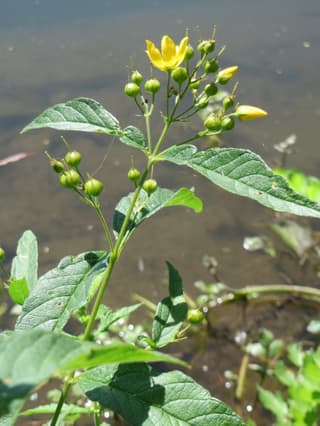
Lysimachia
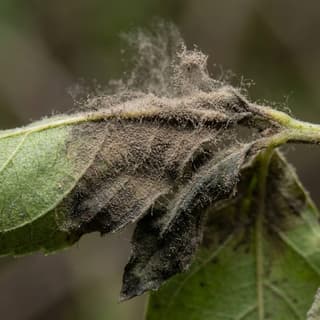
Grey Mould on Loosestrife: What to Know?
Grey Mould on Loosestrife (Lysimachia) is a fungal condition with moderate severity. Loosestrife has low susceptibility to this disease.
Loosestrife is a easy-care plant. As an indoor plant, ensure good ventilation to aid recovery.
Unlike most plants, Loosestrife has natural resistance to Grey Mould. Best treated with preventive measures rather than reactive treatment. Unlike bacterial infections, Grey Mould on Loosestrife can be managed with organic fungicides.
🌱 How to Care for Loosestrife to Prevent Grey Mould?
💧 How to Water
Keep soil consistently moist; most Lysimachia species tolerate or prefer wet conditions. Water every 3–5 days during the growing season, more frequently in hot weather. Avoid letting soil dry out completely. Ground-cover species like creeping Jenny may tolerate brief dry spells once established.
☀️ Lighting
Most Lysimachia species prefer full sun to partial shade (4–6 hours of direct light daily). Upright border types such as L. punctata perform best in full sun. Creeping varieties like L. nummularia tolerate more shade and are ideal for underplanting or woodland edges.
🪴 Ideal Soil
Lysimachia thrives in loamy, moisture-retentive soils enriched with organic matter. A slightly acidic to neutral pH of 5.5–7.0 is ideal. Good drainage is important even for moisture-loving species to prevent root rot; avoid waterlogged clay soils.