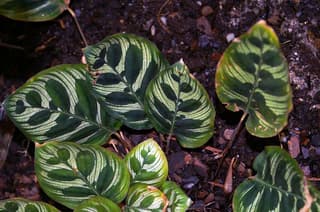
Peacock Plant with Botrytis? Rare but Treatable
Goeppertia makoyana
Botrytis on Peacock Plant: What to Know?
Botrytis on Peacock Plant (Goeppertia makoyana) is a fungal condition with moderate severity. Peacock Plant has low susceptibility to this disease.
Peacock Plant is a hard-care plant. As an indoor plant, ensure good ventilation to aid recovery.
Unlike most plants, Peacock Plant has natural resistance to Botrytis. Best treated with preventive measures rather than reactive treatment. Unlike bacterial infections, Botrytis on Peacock Plant can be managed with organic fungicides.
🌱 How to Care for Peacock Plant to Prevent Botrytis?
💧 How to Water
Water approximately every 7 days when the top inch of soil dries out. Always use filtered water or tap water left to sit for 24 hours to prevent fluoride buildup, which causes brown leaf tips.
☀️ Lighting
Place in bright indirect light away from direct sun rays, which can scorch and fade the beautiful leaf markings. East- or north-facing windows work best.
🪴 Ideal Soil
Use a moist, well-draining peat-based mix amended with perlite and organic compost. Ideal pH is 6.0–7.0. Avoid compacted or heavy soils that retain excess moisture.