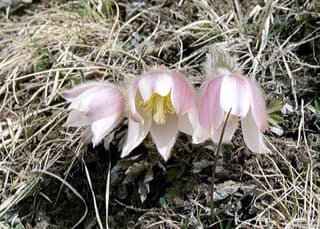
Spring pasqueflower with Botrytis? Rare but Treatable
Pulsatilla vernalis
Botrytis on Spring pasqueflower: What to Know?
Botrytis on Spring pasqueflower (Pulsatilla vernalis) is a fungal condition with moderate severity. Spring pasqueflower has low susceptibility to this disease.
Spring pasqueflower is a medium-care plant.
Unlike most plants, Spring pasqueflower has natural resistance to Botrytis. Best treated with preventive measures rather than reactive treatment. Unlike bacterial infections, Botrytis on Spring pasqueflower can be managed with organic fungicides. Without precautions, chemical treatments for Botrytis can be harmful to pets. Use organic methods for Spring pasqueflower in pet-friendly homes.
🌱 How to Care for Spring pasqueflower to Prevent Botrytis?
💧 How to Water
Water only when the top few centimetres of soil have dried out, and reduce watering further in winter. Consistently soggy soil quickly leads to root and crown rot.
☀️ Lighting
Needs full, direct sun for at least 6 hours a day; in shade it becomes leggy and flowers poorly.
🪴 Ideal Soil
Plant in very gritty, sharply drained, slightly acidic to neutral soil - a rock garden or scree mix with added grit or pumice is ideal. Good drainage is essential year-round.