Purple Bells with Grey Mould: Prevention & Cure
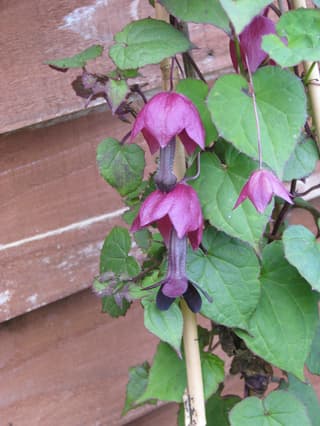
Rhodochiton atrosanguineus
Grey Mould on Purple Bells: What to Know?
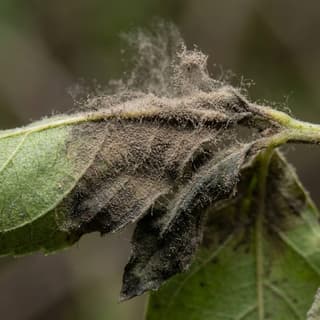
Grey Mould on Purple Bells (Rhodochiton atrosanguineus) is a fungal condition with moderate severity. Purple Bells has moderate susceptibility to this disease.
Purple Bells is a medium-care plant. As an indoor plant, ensure good ventilation to aid recovery.
Unlike bacterial infections, Grey Mould on Purple Bells can be managed with organic fungicides.
🌱 How to Care for Purple Bells to Prevent Grey Mould?
💧 How to Water
Keep the soil consistently moist but never waterlogged - this vine is sensitive to both drought and soggy roots. Water when the top 2-5 cm of soil feels dry, increasing frequency in hot weather. Water at the base rather than overhead to reduce fungal issues on foliage.
☀️ Lighting
Full sun produces the best flowering, though the vine tolerates partial shade, especially afternoon shade in very hot climates. Indoors, place near the brightest window available or supplement with grow lights.
🪴 Ideal Soil
Use a rich, humus-heavy, well-draining potting mix or garden soil. It tolerates loam, sand, or chalky soils and a wide pH range, but performs best in soil that is neutral to slightly acidic and never stays soggy.