Purple Sword with Grey Mould? Rare but Treatable
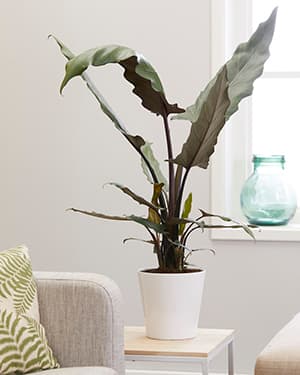
Alocasia lauterbachiana
Grey Mould on Purple Sword: What to Know?
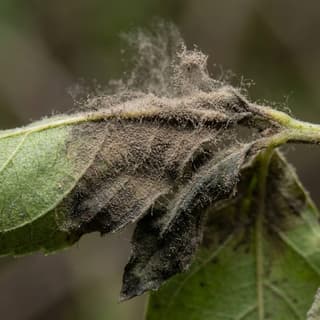
Grey Mould on Purple Sword (Alocasia lauterbachiana) is a fungal condition with moderate severity. Purple Sword has low susceptibility to this disease.
Purple Sword is a medium-care plant. As an indoor plant, ensure good ventilation to aid recovery.
Unlike most plants, Purple Sword has natural resistance to Grey Mould. Best treated with preventive measures rather than reactive treatment. Unlike bacterial infections, Grey Mould on Purple Sword can be managed with organic fungicides. Without precautions, chemical treatments for Grey Mould can be harmful to pets. Use organic methods for Purple Sword in pet-friendly homes.
🌱 How to Care for Purple Sword to Prevent Grey Mould?
💧 How to Water
Water when the top 2-3 cm of soil has dried out, roughly every 7-10 days; reduce frequency in winter and never let the pot sit in standing water.
☀️ Lighting
Give it bright, indirect light near an east or filtered south/west window; direct midday sun will scorch the thin leaves, while deep shade causes leggy, weak growth.
🪴 Ideal Soil
Use a chunky, fast-draining aroid mix (potting soil, perlite or pumice, and orchid bark) so roots get air and excess water escapes quickly.