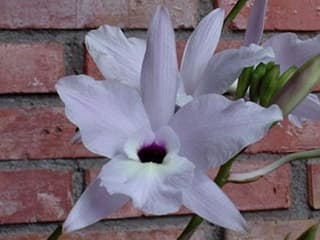
Rosy Tinted Laelia with Botrytis: Prevention & Cure
Laelia rubescens
Botrytis on Rosy Tinted Laelia: What to Know?
Botrytis on Rosy Tinted Laelia (Laelia rubescens) is a fungal condition with moderate severity. Rosy Tinted Laelia has moderate susceptibility to this disease.
Rosy Tinted Laelia is a medium-care plant. As an indoor plant, ensure good ventilation to aid recovery.
Unlike bacterial infections, Botrytis on Rosy Tinted Laelia can be managed with organic fungicides.
🌱 How to Care for Rosy Tinted Laelia to Prevent Botrytis?
💧 How to Water
Water thoroughly during active growth, allowing the substrate to dry between waterings. Reduce frequency significantly in autumn and winter during dormancy. Never allow roots to sit in standing water as root rot is a common issue.
☀️ Lighting
Provide bright light between 36,000 and 48,000 lux. Tolerates morning and late afternoon direct sun but requires protection from harsh midday rays. A minimum of 10 hours of daily light is essential to trigger flowering.
🪴 Ideal Soil
Use a coarse, well-draining orchid bark mix with charcoal and sphagnum moss (10-15%). Can also be mounted on cork bark or tree fern slabs with a thin moss layer to mimic natural growing conditions.