Pink Rock Orchid with Botrytis? Rare but Treatable
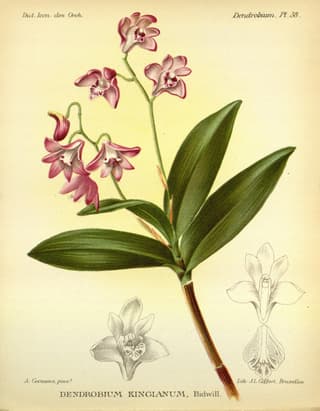
Dendrobium kingianum
Botrytis on Pink Rock Orchid: What to Know?
Botrytis on Pink Rock Orchid (Dendrobium kingianum) is a fungal condition with moderate severity. Pink Rock Orchid has low susceptibility to this disease.
Pink Rock Orchid is a medium-care plant. As an indoor plant, ensure good ventilation to aid recovery.
Unlike most plants, Pink Rock Orchid has natural resistance to Botrytis. Best treated with preventive measures rather than reactive treatment. Unlike bacterial infections, Botrytis on Pink Rock Orchid can be managed with organic fungicides.
🌱 How to Care for Pink Rock Orchid to Prevent Botrytis?
💧 How to Water
Water thoroughly once a week in spring and summer when the medium is nearly dry. In autumn and winter, reduce to every 2–3 weeks to allow dormancy. Never let roots sit in standing water — root rot is a key risk with overwatering.
☀️ Lighting
Provide bright, filtered light — ideally 15,000–25,000 lux. A red tinge to leaves indicates ideal light levels; dark green leaves signal insufficient light. Morning sun or east-facing exposure is ideal. Avoid harsh midday direct sun.
🪴 Ideal Soil
Use a free-draining orchid medium such as fine pine bark, sphagnum moss, or a blend of both. Slightly acidic pH of 5.5–6.0 is ideal. Avoid heavy potting mixes that retain moisture.