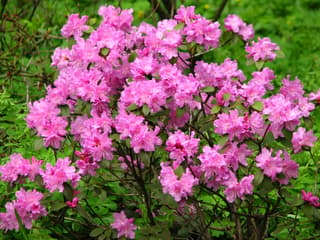
Rhododendron with Botrytis: Prevention & Cure
Rhododendron
Botrytis on Rhododendron: What to Know?
Botrytis on Rhododendron (Rhododendron) is a fungal condition with moderate severity. Rhododendron has moderate susceptibility to this disease.
Rhododendron is a medium-care plant.
Unlike bacterial infections, Botrytis on Rhododendron can be managed with organic fungicides. Without precautions, chemical treatments for Botrytis can be harmful to pets. Use organic methods for Rhododendron in pet-friendly homes.
🌱 How to Care for Rhododendron to Prevent Botrytis?
💧 How to Water
Water every 7 days on average, more frequently in hot or dry periods. Rhododendrons have shallow, fibrous roots that are sensitive to both drought and waterlogging — aim for consistently moist but well-drained soil.
☀️ Lighting
Thrives in partial shade or dappled light under tree canopies. Protect from strong afternoon sun, which can scorch leaves and fade flowers. Alpine species tolerate brighter, cooler conditions.
🪴 Ideal Soil
Requires acidic soil with a pH of 4.5–6.0. Amend with peat moss, composted bark, or pine needles to improve acidity and drainage. Avoid alkaline or chalky soils, which cause chlorosis (yellowing leaves).