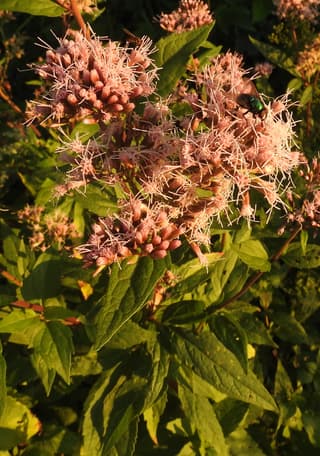
Boneset with Botrytis? Rare but Treatable
Eupatorium
Botrytis on Boneset: What to Know?
Botrytis on Boneset (Eupatorium) is a fungal condition with moderate severity. Boneset has low susceptibility to this disease.
Boneset is a easy-care plant.
Unlike most plants, Boneset has natural resistance to Botrytis. Best treated with preventive measures rather than reactive treatment. Unlike bacterial infections, Botrytis on Boneset can be managed with organic fungicides.
🌱 How to Care for Boneset to Prevent Botrytis?
💧 How to Water
Water Eupatorium regularly during the first growing season to establish deep roots. Mature plants tolerate brief dry spells but perform best with evenly moist soil, especially during late-summer flowering. Water at the base to avoid wetting foliage, which can encourage powdery mildew. Reduce watering in winter when dormant.
☀️ Lighting
Eupatorium thrives in full sun to partial shade, requiring at least 4–6 hours of direct sunlight daily for optimal flowering. In hotter climates, light afternoon shade prevents leaf scorch. Plants in too much shade become leggy, produce fewer flowers, and are more susceptible to powdery mildew. Plant in an open spot with good air circulation.
🪴 Ideal Soil
Plant Eupatorium in moist, fertile, humus-rich loamy soil. It tolerates clay soils and periodic waterlogging, making it excellent for rain gardens and boggy borders. Amend sandy soils with well-rotted compost before planting. Ideal pH is 5.5–7.0. Mulching helps retain moisture and suppress weeds.