Siberian Bugloss with Grey Mould? Rare but Treatable
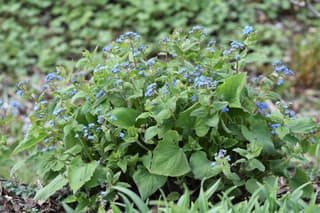
Brunnera macrophylla
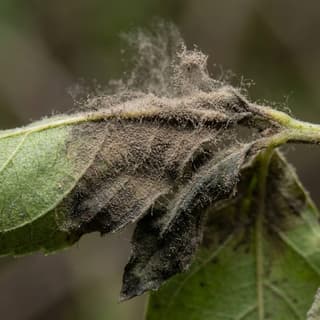
Grey Mould on Siberian Bugloss: What to Know?
Grey Mould on Siberian Bugloss (Brunnera macrophylla) is a fungal condition with moderate severity. Siberian Bugloss has low susceptibility to this disease.
Siberian Bugloss is a easy-care plant.
Unlike most plants, Siberian Bugloss has natural resistance to Grey Mould. Best treated with preventive measures rather than reactive treatment. Unlike bacterial infections, Grey Mould on Siberian Bugloss can be managed with organic fungicides.
🌱 How to Care for Siberian Bugloss to Prevent Grey Mould?
💧 How to Water
Water when the top inch of soil begins to dry, roughly every 7 days. Never allow the soil to dry out completely. Increase frequency during hot spells. Mulching helps retain moisture between waterings.
☀️ Lighting
Thrives in partial to full shade. Tolerates a few hours of gentle morning sun but afternoon sun causes leaf scorch. Indoors, place near a filtered-light window. Variegated cultivars need slightly more light to maintain their markings.
🪴 Ideal Soil
Prefers fertile, moist, well-draining loamy soil. Amend with compost before planting. Tolerates a wide pH range (5.5–8.0). Avoid compacted or waterlogged conditions. Apply mulch to conserve moisture and regulate soil temperature.