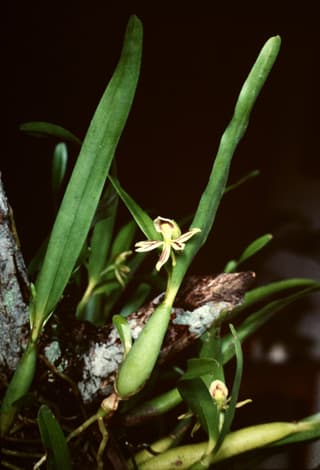
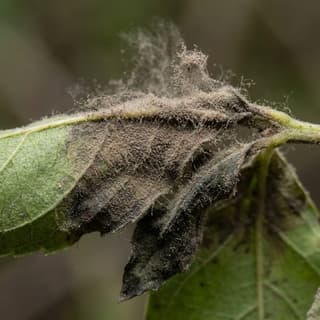
Prosthechea calamaria with Grey Mould? Rare but Treatable
Prosthechea calamaria
Grey Mould on Prosthechea calamaria: What to Know?
Grey Mould on Prosthechea calamaria (Prosthechea calamaria) is a fungal condition with moderate severity. Prosthechea calamaria has low susceptibility to this disease.
Prosthechea calamaria is a medium-care plant. As an indoor plant, ensure good ventilation to aid recovery.
Unlike most plants, Prosthechea calamaria has natural resistance to Grey Mould. Best treated with preventive measures rather than reactive treatment. Unlike bacterial infections, Grey Mould on Prosthechea calamaria can be managed with organic fungicides.
🌱 How to Care for Prosthechea calamaria to Prevent Grey Mould?
💧 How to Water
Water when the bark or mount is almost dry, about every 4 days in warm weather (mounted plants may need water daily in hot, dry air). Never leave the roots soggy, and water less in winter.
☀️ Lighting
Bright but filtered light, like the dappled shade under a tree canopy. An east window or a spot behind a sheer curtain works well; avoid hot midday sun.
🪴 Ideal Soil
No soil. Use coarse orchid bark that drains fast, or mount the plant on cork or a branch so the roots get air.
Frequently asked questions
Can Grey Mould kill my Prosthechea calamaria?
Is Grey Mould contagious to other plants near Prosthechea calamaria?
Sources & References
- POWO (Kew) - Prosthechea calamaria (Lindl.) W.E.Higgins
- World Flora Online - Prosthechea calamaria
- IOSPE - Anacheilium calamarium
- IOSPE - Encyclia calamaria
- SiBBr - herbarium record RB00413714 (Macae de Cima, RJ)
- Wikipedia - Prosthechea
- American Orchid Society - Prosthechea (genus culture)
- RHS - Prosthechea cochleata (genus culture reference)