
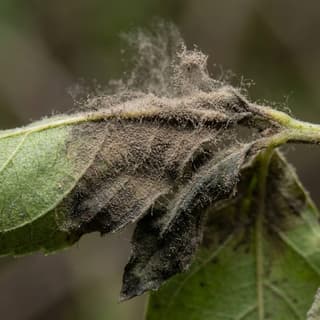
Franciscan Hebe with Grey Mould? Rare but Treatable
Veronica × franciscana
Grey Mould on Franciscan Hebe: What to Know?
Grey Mould on Franciscan Hebe (Veronica × franciscana) is a fungal condition with moderate severity. Franciscan Hebe has low susceptibility to this disease.
Franciscan Hebe is a easy-care plant.
Unlike most plants, Franciscan Hebe has natural resistance to Grey Mould. Best treated with preventive measures rather than reactive treatment. Unlike bacterial infections, Grey Mould on Franciscan Hebe can be managed with organic fungicides. Without precautions, chemical treatments for Grey Mould can be harmful to pets. Use organic methods for Franciscan Hebe in pet-friendly homes.
🌱 How to Care for Franciscan Hebe to Prevent Grey Mould?
💧 How to Water
Water deeply but infrequently, letting the top few centimetres of soil dry out between waterings. Established plants are drought-tolerant and only need extra water during prolonged dry spells; avoid soggy soil, which quickly leads to root rot.
☀️ Lighting
Give it full sun to light partial shade, at least 4-6 hours of direct sun a day, to keep growth compact and flowering generous. In hot inland climates, a little afternoon shade helps prevent leaf scorch.
🪴 Ideal Soil
Plant in well-draining, poor-to-moderately fertile soil that is neutral to slightly alkaline. Sandy or loamy soils with added grit work best; heavy, waterlogged clay should be avoided or improved with organic matter.