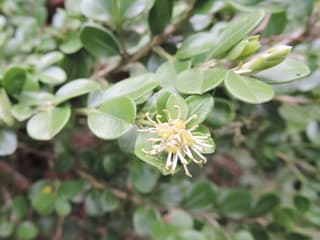
Japanese Boxwood Prone to Calonectria pseudonaviculata: How to Protect
Buxus microphylla
Calonectria pseudonaviculata on Japanese Boxwood: What to Know?
Calonectria pseudonaviculata on Japanese Boxwood (Buxus microphylla) is a fungal condition with moderate severity. Japanese Boxwood has high susceptibility to this disease.
Japanese Boxwood is a easy-care plant. As an indoor plant, ensure good ventilation to aid recovery.
Japanese Boxwood is highly susceptible to Calonectria pseudonaviculata, unlike most plants in the same family. Unlike bacterial infections, Calonectria pseudonaviculata on Japanese Boxwood can be managed with organic fungicides. Without precautions, chemical treatments for Calonectria pseudonaviculata can be harmful to pets. Use organic methods for Japanese Boxwood in pet-friendly homes.
🌱 How to Care for Japanese Boxwood to Prevent Calonectria pseudonaviculata?
💧 How to Water
Water Japanese Boxwood every 7–14 days, allowing the top inch of soil to dry slightly between waterings. Avoid waterlogging, as consistently wet roots promote root rot. During hot summer months, you may need to water more frequently. Always water at the base to keep foliage dry.
☀️ Lighting
Japanese Boxwood thrives in full sun to partial shade (4–8 hours of direct light per day). In hot climates, provide afternoon shade to prevent leaf scorch. Indoors, place near a bright, south- or east-facing window. Avoid dense shade, which causes leggy growth and reduces foliage density.
🪴 Ideal Soil
Use well-draining, slightly acidic soil (pH 6.0–6.5) enriched with organic matter. A mix of loamy garden soil, coarse sand, and compost works well. Avoid heavy clay soils that retain excessive moisture. Mulching around the base helps regulate moisture and soil temperature.