Parsley with Cercospora Leaf Spot: Prevention & Cure
Petroselinum crispum
Cercospora Leaf Spot on Parsley: What to Know?
Cercospora Leaf Spot on Parsley (Petroselinum crispum) is a fungal condition with high severity. Parsley has moderate susceptibility to this disease. Cercospora leaf spot is a common fungal disease caused by Cercospora species that affects many plant types, particularly beets, roses, and leafy vegetables. The disease thrives in warm, humid conditio...
Parsley is a easy-care plant. Recovery from Cercospora Leaf Spot takes approximately 21 days with proper treatment. As an indoor plant, ensure good ventilation to aid recovery.
Unlike bacterial infections, Cercospora Leaf Spot on Parsley can be managed with organic fungicides. Without precautions, chemical treatments for Cercospora Leaf Spot can be harmful to pets. Use organic methods for Parsley in pet-friendly homes.
🔍 What Does Cercospora Leaf Spot Look Like on Parsley?
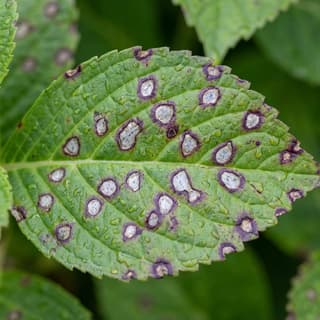
- • Small circular spots (0.02-0.2 inch) on leaves
- • Tan to gray centers with brownish-red to purple borders
- • Spots coalesce into larger necrotic lesions
- • Premature leaf yellowing and browning
- • Progressive defoliation from lower to upper leaves
- • Reduced plant vigor and yield
❓ What Causes Cercospora Leaf Spot on Parsley?
- → Cercospora fungi (multiple species)
- → Warm temperatures (75-85°F / 24-29°C)
- → High humidity (above 80%)
- → Prolonged leaf wetness
- → Overhead watering
- → Poor air circulation
- → Infected plant debris
- → Contaminated tools
💊 How to Treat Cercospora Leaf Spot on Parsley?
TLDR: Treat Cercospora Leaf Spot on Parsley with quick treatment (~11 days) or organic (~21 days). Parsley has moderate susceptibility to this disease.
Quick Fixes
Step 1
Prune and destroy all infected foliage immediately
Step 2
Apply fast-acting systemic fungicide (propiconazole or Miravis Prime)
Step 3
Spray at first sign of disease (1-5 spots per leaf)
Step 4
Ensure complete coverage of all leaf surfaces
Step 5
Stop overhead watering immediately
Step 6
Reapply fungicide after 10-14 days
Step 7
Remove any new infected leaves weekly
Organic Treatment
Step 1
Remove all infected leaves and dispose in sealed bag (do not compost)
Step 2
Mix tank spray: copper octanoate (Cueva) + Bacillus amyloliquefaciens (Double Nickel LC) according to label rates
Step 3
Apply spray thoroughly to all leaf surfaces in early morning
Step 4
Improve air circulation by thinning dense foliage and spacing plants
Step 5
Switch to drip irrigation or water at soil level only
Step 6
Reapply organic fungicide spray every 7-10 days
Step 7
Apply compost tea weekly to boost plant immunity
Step 8
Continue monitoring for 4 weeks after symptoms disappear
🛡️ How to Prevent Cercospora Leaf Spot on Parsley?
TLDR: Prevent Cercospora Leaf Spot on Parsley with 9 essential preventive care practices.
- ✓ Remove and destroy infected leaves immediately
- ✓ Ensure proper plant spacing for air circulation
- ✓ Avoid overhead watering; water at soil level
- ✓ Water in early morning to allow foliage to dry
- ✓ Practice crop rotation (3+ years for susceptible crops)
- ✓ Use deep tillage to bury infected plant debris
- ✓ Disinfect tools between plants
- ✓ Choose resistant varieties when available
- ✓ Apply preventative fungicides before symptoms appear
🌱 How to Care for Parsley to Prevent Cercospora Leaf Spot?
💧 How to Water
Water parsley every 2 to 4 days, keeping the soil consistently moist but never waterlogged. In hot weather, watering may be needed more frequently. Always check the top 2 inches of soil before watering — if dry, it's time to water.
☀️ Lighting
Parsley thrives in full sun to partial shade, needing at least 4 to 6 hours of direct sunlight per day. Indoors, place near a south- or west-facing window to ensure adequate light. Insufficient light causes leggy, pale growth.
🪴 Ideal Soil
Use light, well-draining soil rich in organic matter. A mix of garden soil, compost, and sand works well. Ideal soil pH is between 5.5 and 7.0. Avoid compacted or waterlogged soil, which promotes root rot.