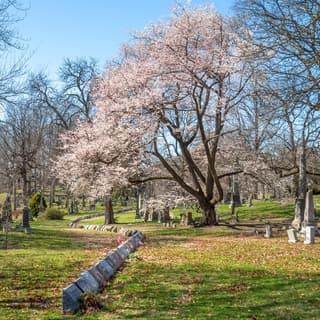
Yoshino cherry with Cherry Leaf Spot: Prevention & Cure
Prunus × yedoensis
Cherry Leaf Spot on Yoshino cherry: What to Know?
Cherry Leaf Spot on Yoshino cherry (Prunus × yedoensis) is a fungal condition with moderate severity. Yoshino cherry has moderate susceptibility to this disease. Cherry leaf spot (Blumeriella jaapii) is a fungal disease that primarily attacks cherries (sour and sweet cherries) and occasionally other Prunus species, such as ornamental cherries and plums. It thr...
Yoshino cherry is a medium-care plant.
Unlike bacterial infections, Cherry Leaf Spot on Yoshino cherry can be managed with organic fungicides. Without precautions, chemical treatments for Cherry Leaf Spot can be harmful to pets. Use organic methods for Yoshino cherry in pet-friendly homes.
🛡️ How to Prevent Cherry Leaf Spot on Yoshino cherry?
TLDR: Prevent Cherry Leaf Spot on Yoshino cherry with 7 essential preventive care practices.
- ✓ Remove fallen leaves and mummified fruit every autumn and throughout the growing season.
- ✓ Prune annually to allow light and air into the canopy so that leaves dry quickly after rain.
- ✓ Avoid overhead sprinklers that wet the foliage; water at ground level instead.
- ✓ Avoid over-fertilizing with nitrogen, which produces soft, susceptible shoots.
- ✓ Plant in sunny locations with well-drained soil and maintain proper spacing between trees.
- ✓ Choose hardy and less susceptible varieties whenever possible.
- ✓ Begin preventative measures early in the spring, especially after mild, humid winters or if you have had previous outbreaks.
🌱 How to Care for Yoshino cherry to Prevent Cherry Leaf Spot?
💧 How to Water
Water deeply once a week for the first two summers, more often in heat waves. Established trees need water only in prolonged drought. Avoid waterlogged soil.
☀️ Lighting
Full sun, at least 6 hours of direct light, for the best flowering. It tolerates light partial shade but flowers less.
🪴 Ideal Soil
Moist, well-drained loam rich in organic matter, slightly acidic to neutral (pH 5.5 to 7). It copes with clay or sand as long as water does not sit around the roots.