Brain Cactus with Cold Damage: Prevention & Cure
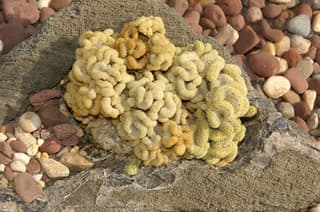
Mammillaria elongata 'Cristata'
Cold Damage on Brain Cactus: What to Know?
Cold Damage on Brain Cactus (Mammillaria elongata 'Cristata') is a environmental condition with moderate severity. Brain Cactus has moderate susceptibility to this disease. Cold damage, also known as frost injury, occurs when plants are exposed to freezing or near-freezing temperatures. This environmental stress can cause cellular damage as ice crystals form within plant...
Brain Cactus is a medium-care plant. Recovery from Cold Damage takes approximately 14 days with proper treatment. As an indoor plant, ensure good ventilation to aid recovery.
🔍 What Does Cold Damage Look Like on Brain Cactus?
- • Leaves become limp, wilted, and droopy
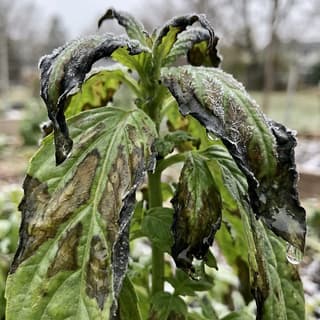
- • Foliage turns black, brown, or translucent
- • Scorched appearance on leaf tips and margins
- • Leaves curl inward or downward
- • Newly emerging shoot tips die and curl
- • Evergreen needles or leaves appear burned or discolored
- • Flowers turn brown, limp, and mushy
- • Soft or water-soaked areas on stems and leaves
- • Tissue appears glassy or translucent when thawed
- • Symptoms may appear gradually after exposure
❓ What Causes Cold Damage on Brain Cactus?
- → Exposure to temperatures at or below 32°F (0°C)
- → Sudden temperature drops without plant acclimation
- → Cold drafts from windows or doors
- → Placement near air conditioning vents
- → Frost pockets in low-lying areas of the landscape
- → Prolonged exposure to temperatures between 32-55°F for sensitive tropical plants
- → Lack of cold hardiness in the plant variety
- → Early or late season frosts catching plants unprepared
- → Wind chill intensifying cold effects
💊 How to Treat Cold Damage on Brain Cactus?
TLDR: Treat Cold Damage on Brain Cactus with quick treatment (~7 days) or organic (~14 days). Brain Cactus has moderate susceptibility to this disease.
Quick Fixes
Step 1
Immediately relocate plant to stable warm environment (65-75°F/18-24°C)
Step 2
Lightly water soil if not frozen to rehydrate plant tissue
Step 3
Remove only completely black, mushy, or clearly dead foliage to prevent rot spread
Step 4
Cover outdoor plants with frost blankets if additional cold nights expected
Step 5
Ensure good air circulation to prevent fungal issues in damaged tissue
Step 6
Monitor daily for signs of secondary infections or further decline
Organic Treatment
Step 1
Move affected plants to a warmer location (65-75°F/18-24°C) away from cold sources immediately
Step 2
Lightly mist with water to gradually raise temperature and rehydrate stressed tissue
Step 3
Apply 2-4 inches of organic mulch around plant base for root insulation (outdoor plants)
Step 4
Wait 2-4 weeks to assess full damage extent before pruning - dead foliage provides insulation
Step 5
Use scratch test on woody stems to identify living tissue (green layer under bark)
Step 6
Prune only clearly dead or mushy tissue with sterilized tools once spring growth appears
Step 7
Apply compost tea or diluted seaweed extract as foliar spray weekly to support recovery
Step 8
Maintain consistent moderate watering - avoid overwatering stressed roots
🛡️ How to Prevent Cold Damage on Brain Cactus?
TLDR: Prevent Cold Damage on Brain Cactus with 10 essential preventive care practices.
- ✓ Choose cold-hardy plant varieties suited to your climate zone
- ✓ Cover plants with frost blankets, burlap, or sheets when frost is expected
- ✓ Apply 2-4 inches of mulch around plant bases to insulate roots
- ✓ Move container plants indoors or to sheltered locations before cold weather
- ✓ Water plants thoroughly before a freeze to help retain soil heat
- ✓ Avoid planting tender species in frost pockets or low-lying areas
- ✓ Keep indoor plants away from cold windows and drafts
- ✓ Avoid late-season nitrogen fertilization which promotes vulnerable new growth
- ✓ Gradually acclimate indoor plants before moving them outdoors
- ✓ Install windbreaks to reduce cold air exposure
🌱 How to Care for Brain Cactus to Prevent Cold Damage?
💧 How to Water
Water at the base, never over the crest, and only when the potting mix is dry all the way through: about every 10–14 days in spring and summer, every 4–6 weeks or not at all in winter. Water trapped in the folds is the main cause of rot.
☀️ Lighting
Needs at least 4 hours of sun or very bright light a day; a south- or west-facing window works well indoors. Move it into stronger sun gradually, since sudden intense midday sun can scorch the crest.
🪴 Ideal Soil
Use a mineral cactus mix with plenty of grit, pumice or coarse sand and little organic matter, in a pot with a drainage hole.
Frequently asked questions
Can Cold Damage kill my Brain Cactus?
How long does Brain Cactus take to recover from Cold Damage?
Is Cold Damage contagious to other plants near Brain Cactus?
Sources & References
- Frost Damage: Identify, Prevent and Treat it
- Cold Damage | Home & Garden Information Center
- Signs and Tips to Treat Frost Damaged Houseplants
- Cold and Freeze Damage to Garden Plants
- Symptoms and consequences of chilling or freezing injury on greenhouse crops
- Winter Damage on Landscape Plants
- Frost damage | RHS Advice
- Mammillaria elongata f. cristata - LLIFLE Encyclopedia of Cacti
- Mammillaria elongata f. cristata (Brain Cactus) - World of Succulents
- Mammillaria - NC State Extension Plant Toolbox
- Cactus Mammillaria Elongata Cristata 'Brain' Cactus - Vegetal Design
- Mammillaria elongata - Wikipedia