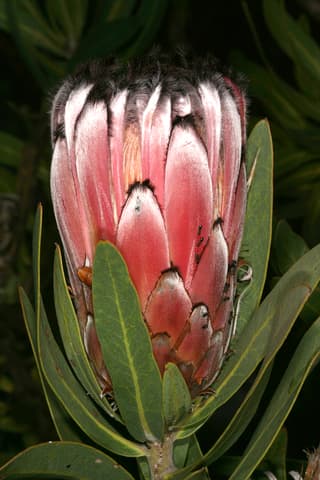
Oleander-leaf protea with Cold Damage: Prevention & Cure
Protea neriifolia
Cold Damage on Oleander-leaf protea: What to Know?
Cold Damage on Oleander-leaf protea (Protea neriifolia) is a environmental condition with moderate severity. Oleander-leaf protea has moderate susceptibility to this disease. Cold damage, also known as frost injury, occurs when plants are exposed to freezing or near-freezing temperatures. This environmental stress can cause cellular damage as ice crystals form within plant...
Oleander-leaf protea is a hard-care plant. Recovery from Cold Damage takes approximately 14 days with proper treatment. As an indoor plant, ensure good ventilation to aid recovery.
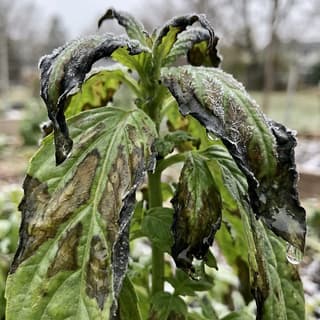
🔍 What Does Cold Damage Look Like on Oleander-leaf protea?
- • Leaves become limp, wilted, and droopy
- • Foliage turns black, brown, or translucent
- • Scorched appearance on leaf tips and margins
- • Leaves curl inward or downward
- • Newly emerging shoot tips die and curl
- • Evergreen needles or leaves appear burned or discolored
- • Flowers turn brown, limp, and mushy
- • Soft or water-soaked areas on stems and leaves
- • Tissue appears glassy or translucent when thawed
- • Symptoms may appear gradually after exposure
❓ What Causes Cold Damage on Oleander-leaf protea?
- → Exposure to temperatures at or below 32°F (0°C)
- → Sudden temperature drops without plant acclimation
- → Cold drafts from windows or doors
- → Placement near air conditioning vents
- → Frost pockets in low-lying areas of the landscape
- → Prolonged exposure to temperatures between 32-55°F for sensitive tropical plants
- → Lack of cold hardiness in the plant variety
- → Early or late season frosts catching plants unprepared
- → Wind chill intensifying cold effects
💊 How to Treat Cold Damage on Oleander-leaf protea?
TLDR: Treat Cold Damage on Oleander-leaf protea with quick treatment (~7 days) or organic (~14 days). Oleander-leaf protea has moderate susceptibility to this disease.
Quick Fixes
Step 1
Immediately relocate plant to stable warm environment (65-75°F/18-24°C)
Step 2
Lightly water soil if not frozen to rehydrate plant tissue
Step 3
Remove only completely black, mushy, or clearly dead foliage to prevent rot spread
Step 4
Cover outdoor plants with frost blankets if additional cold nights expected
Step 5
Ensure good air circulation to prevent fungal issues in damaged tissue
Step 6
Monitor daily for signs of secondary infections or further decline
Organic Treatment
Step 1
Move affected plants to a warmer location (65-75°F/18-24°C) away from cold sources immediately
Step 2
Lightly mist with water to gradually raise temperature and rehydrate stressed tissue
Step 3
Apply 2-4 inches of organic mulch around plant base for root insulation (outdoor plants)
Step 4
Wait 2-4 weeks to assess full damage extent before pruning - dead foliage provides insulation
Step 5
Use scratch test on woody stems to identify living tissue (green layer under bark)
Step 6
Prune only clearly dead or mushy tissue with sterilized tools once spring growth appears
Step 7
Apply compost tea or diluted seaweed extract as foliar spray weekly to support recovery
Step 8
Maintain consistent moderate watering - avoid overwatering stressed roots
🛡️ How to Prevent Cold Damage on Oleander-leaf protea?
TLDR: Prevent Cold Damage on Oleander-leaf protea with 10 essential preventive care practices.
- ✓ Choose cold-hardy plant varieties suited to your climate zone
- ✓ Cover plants with frost blankets, burlap, or sheets when frost is expected
- ✓ Apply 2-4 inches of mulch around plant bases to insulate roots
- ✓ Move container plants indoors or to sheltered locations before cold weather
- ✓ Water plants thoroughly before a freeze to help retain soil heat
- ✓ Avoid planting tender species in frost pockets or low-lying areas
- ✓ Keep indoor plants away from cold windows and drafts
- ✓ Avoid late-season nitrogen fertilization which promotes vulnerable new growth
- ✓ Gradually acclimate indoor plants before moving them outdoors
- ✓ Install windbreaks to reduce cold air exposure
🌱 How to Care for Oleander-leaf protea to Prevent Cold Damage?
💧 How to Water
Water young plants deeply and regularly. Once established, it is drought-tolerant but appreciates occasional watering on summer mornings.
☀️ Lighting
Needs direct sun exposure for at least 6 to 8 hours a day to ensure vibrant flowering and prevent fungal diseases.
🪴 Ideal Soil
The soil must be acidic (pH 5.0-6.0) and free of phosphorus fertilizers, which are lethal to the proteoid roots of this plant.
Frequently asked questions
Can Cold Damage kill my Oleander-leaf protea?
How long does Oleander-leaf protea take to recover from Cold Damage?
Is Cold Damage contagious to other plants near Oleander-leaf protea?
Sources & References
- Frost Damage: Identify, Prevent and Treat it
- Cold Damage | Home & Garden Information Center
- Signs and Tips to Treat Frost Damaged Houseplants
- Cold and Freeze Damage to Garden Plants
- Symptoms and consequences of chilling or freezing injury on greenhouse crops
- Winter Damage on Landscape Plants
- Frost damage | RHS Advice
- Oleander-Leaf Protea Care Guide - Plantiary
- Protea neriifolia - PlantZAfrica SANBI
- Protea: species, care and bouquets - Plantura
- How to Plant, Grow, and Care for Protea - Epic Gardening