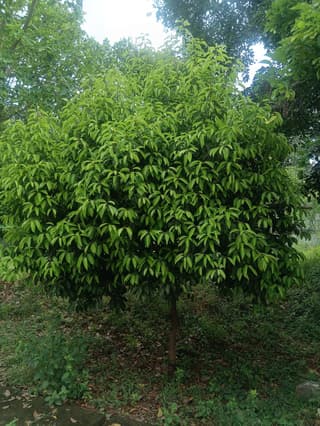
Colletotrichum gloeosporioides: Fungal Disease | Treatment Guide
Colletotrichum gloeosporioides is a fungus that causes anthracnose. It thrives in warm, humid weather and spreads primarily through water splashes and dense vegetation. You typically see small, dark brown to black spots with lighter margins on leaves, stems, flowers, or fruits. The spots can become sunken, and in humid weather, orange-pink spore masses may appear. In domestic settings, it is particularly common on citrus and avocado (as houseplants), chili/peppers, strawberries, and various ornamental plants.
What is Colletotrichum gloeosporioides?
Colletotrichum gloeosporioides is a fungal condition with moderate severity that affects plants. Colletotrichum gloeosporioides is a fungus that causes anthracnose. It thrives in warm, humid weather and spreads primarily through water splashes and dense vegetation. You typically see small, dark brown to black spots with lighter margins on leaves, stems, flowers, or fruits. The spots can become...
Colletotrichum gloeosporioides is a fungal disease with moderate severity. It affects 1 plant species in our database. This condition is contagious and can spread between plants.
Unlike bacterial infections, Colletotrichum gloeosporioides spreads slowly but is harder to eradicate. Without treatment, affected leaves won't recover. Without isolation, nearby plants can become infected within days.
🧪 Natural vs Chemical: Which Treatment Works for Colletotrichum gloeosporioides?
🌱 Natural Solutions
- ✓ Remove and dispose of heavily infested leaves, fruits, and stems in the general waste, and disinfect shears with rubbing alcohol.
- ✓ Water at the soil level, preferably in the morning, so the foliage remains dry.
- ✓ Provide good air circulation by thinning out growth and maintaining distance between pots.
- ✓ Improve drainage by using airy potting soil, repotting if the soil is compacted, and emptying saucers.
- ✓ Apply a layer of mulch in the vegetable garden to suppress soil and water splashing.
- ✓ Collect and remove fallen leaves and fruits.
- ✓ Quarantine new plants for 2–3 weeks.
- ✓ Apply products containing beneficial microorganisms, such as Trichoderma or Bacillus species, as a preventative measure.
💉 Chemical Solutions
- ✓ Opt for chemical control if cultural practices are insufficient.
- ✓ Use products containing active ingredients such as sulfur or potassium bicarbonate suitable for ornamental plants or edible crops.
- ✓ Cover plant surfaces evenly, repeat as necessary, and avoid spraying in strong sunlight or temperatures above approximately 25°C (77°F).
🛡️ How to Prevent Colletotrichum gloeosporioides?
TLDR: Prevent Colletotrichum gloeosporioides with 5 essential care practices. Regular monitoring is key for early detection.
- ✓ Keep foliage dry, ensure good air circulation around plants, and water at the root zone.
- ✓ Regularly clean pots and tools, and avoid unnecessary wounding during pruning and handling.
- ✓ Use sterile potting soil when repotting and avoid reusing soil from diseased plants.
- ✓ Rotate growing locations between seasons in the vegetable garden, use mulch to prevent splashing, harvest in dry weather, and store fruits in a cool, dry place.
- ✓ Inspect plants regularly and promptly remove the first signs of small spots.
🔗Related Diseases
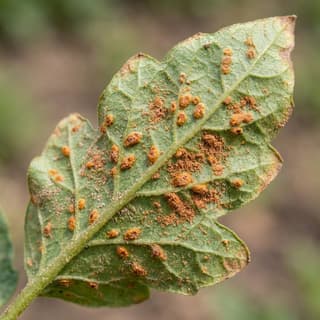
Rust
Rust fungi (Pucciniales) are fungal diseases that form rust-colored, usually orange to brown pustules with powdery spore dust on leaves, stems, or fruits. Typical symptoms include small spots that develop into cushions or rings; leaves turn yellow, curl, and drop prematurely. The fungi spread primarily in damp weather and dense foliage. Many ornamental and crop plants are affected, frequently including roses, mallows (hollyhocks), pears (pear rust), and currants. Some rust fungi require two host plants for their life cycle, such as pear and certain juniper species.
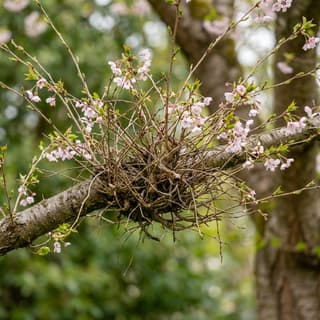
Cherry Witches' Broom
Taphrina wiesneri is a fungal disease affecting cherry trees (Prunus species, including sweet, sour, and ornamental varieties). The fungus overwinters in buds and bark, infecting young leaves and shoots during cool, wet spring weather. Infected leaves become thickened, puckered, and curled, often displaying reddish or yellow blotches and a fine whitish bloom on the surface. Severely affected leaves may drop prematurely. Small twigs can develop 'witches' brooms,' which are dense clusters of weak, distorted shoots.
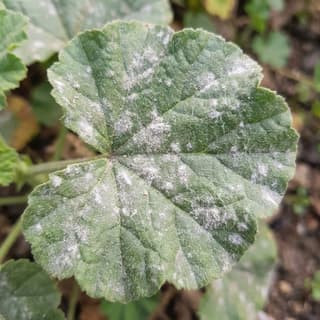
Powdery Mildew
MediumPowdery mildew is a common fungal disease caused by various fungi species including Erysiphe, Podosphaera, Oïdium, and Leveillula. It affects over 10,000 plant species worldwide. The disease thrives in warm, dry climates with high humidity and appears as a distinctive white powdery coating on plant surfaces.

Root Rot
HighRoot rot is a serious fungal disease that affects the root system of plants, causing them to decay and die. It is primarily caused by overwatering, poor drainage, or soil-borne fungi such as Pythium, Phytophthora, Rhizoctonia, and Fusarium. The disease thrives in waterlogged conditions where roots are deprived of oxygen, making them susceptible to fungal infection.