African Milk Tree with Crown Gall? Rare but Treatable
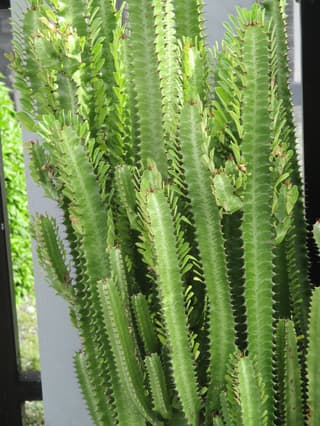
Euphorbia trigona
Crown Gall on African Milk Tree: What to Know?
Crown Gall on African Milk Tree (Euphorbia trigona) is a bacterial condition with high severity. African Milk Tree has low susceptibility to this disease. Crown gall is a bacterial disease caused by Agrobacterium tumefaciens that affects over 140 species of plants. The bacteria insert DNA into plant cells, causing them to divide uncontrollably and form...
African Milk Tree is a easy-care plant. Recovery from Crown Gall takes approximately 28 days with proper treatment. As an indoor plant, ensure good ventilation to aid recovery.
Unlike most plants, African Milk Tree has natural resistance to Crown Gall. Best treated with preventive measures rather than reactive treatment.
🔍 What Does Crown Gall Look Like on African Milk Tree?
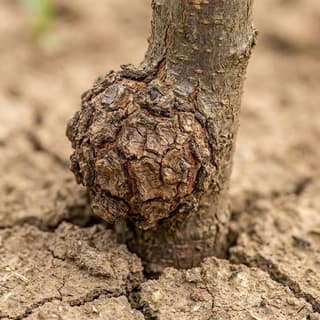
- • Large, rough, woody tumor-like growths (galls) at the base of stems
- • White masses of callus tissue on roots and crown
- • Galls appearing at or just below soil line
- • Swellings on stems, limbs, trunks, or roots where wounds occur
- • Stunted growth due to restricted water and nutrient flow
- • Decline in overall plant vigor and health
❓ What Causes Crown Gall on African Milk Tree?
- → Infection by Agrobacterium tumefaciens bacteria through wounds
- → Physical damage during planting, grafting, or cultivation
- → Soil insect feeding creating entry wounds
- → Root damage from excavation or mechanical injury
- → Use of contaminated tools or infected nursery stock
- → Bacteria surviving in soil from previous infected plants
💊 How to Treat Crown Gall on African Milk Tree?
TLDR: Treat Crown Gall on African Milk Tree with quick treatment (~14 days) or organic (~28 days). African Milk Tree has low susceptibility to this disease.
Quick Fixes
Step 1
Identify and mark all visible galls on crown and roots
Step 2
During dry season, use sterilized sharp knife or pruning saw to cut galls
Step 3
Cut at least 1-2 cm into healthy wood tissue around each gall
Step 4
Remove all gall tissue completely without leaving infected remnants
Step 5
Allow cut surfaces to dry in open air for 24-48 hours
Step 6
Apply copper-based wound dressing to exposed areas
Step 7
Monitor weekly for 4-6 weeks for regrowth
Organic Treatment
Step 1
Inspect plants carefully before purchase and select only certified disease-free stock
Step 2
Dip bare roots or drench potted plants with Agrobacterium radiobacter K-84 (commercial product: Galltrol) before planting
Step 3
Sterilize all pruning tools with 70% alcohol or 10% bleach solution between cuts
Step 4
Apply copper octanoate as a preventive soil drench in high-risk areas
Step 5
Remove small galls by cutting into healthy wood during dry season, minimizing healthy tissue removal
Step 6
Expose cut surfaces to air and sunlight for natural drying
🛡️ How to Prevent Crown Gall on African Milk Tree?
TLDR: Prevent Crown Gall on African Milk Tree with 8 essential preventive care practices.
- ✓ Inspect all nursery stock carefully and reject plants with any galls
- ✓ Sterilize all pruning tools between plants using 10% bleach solution
- ✓ Avoid wounding plant crowns and roots during cultivation
- ✓ Control root-chewing insects to prevent wound creation
- ✓ Improve soil drainage to reduce bacterial activity
- ✓ Use certified disease-free planting material
- ✓ Solarize soil with clear plastic for 4-6 weeks before planting
- ✓ Remove and destroy infected plants immediately - do not compost
🌱 How to Care for African Milk Tree to Prevent Crown Gall?
💧 How to Water
Water only when soil is completely dry, typically every 3-4 weeks. Reduce watering in winter. Wrinkled leaves indicate thirst. Yellowing or browning may signal overwatering and root rot.
☀️ Lighting
Prefers bright indirect light to direct sunlight. Can tolerate some direct morning or afternoon sun. Avoid harsh midday sun which may cause scorching. Also adapts to medium light conditions.
🪴 Ideal Soil
Use well-draining sandy or cactus mix. A 2:1:1 blend of cactus soil, perlite, and coarse sand works well. Good drainage is essential to prevent root rot.