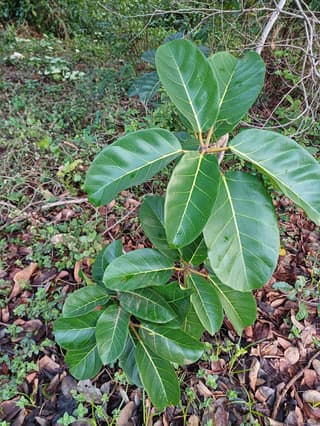
Giant-leaved Fig with Crown Gall? Rare but Treatable
Ficus lutea
Crown Gall on Giant-leaved Fig: What to Know?
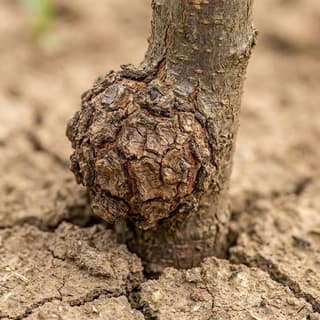
Crown Gall on Giant-leaved Fig (Ficus lutea) is a bacterial condition with high severity. Giant-leaved Fig has low susceptibility to this disease. Crown gall is a bacterial disease caused by Agrobacterium tumefaciens that affects over 140 species of plants. The bacteria insert DNA into plant cells, causing them to divide uncontrollably and form...
Giant-leaved Fig is a medium-care plant. Recovery from Crown Gall takes approximately 28 days with proper treatment. As an indoor plant, ensure good ventilation to aid recovery.
Unlike most plants, Giant-leaved Fig has natural resistance to Crown Gall. Best treated with preventive measures rather than reactive treatment.
🔍 What Does Crown Gall Look Like on Giant-leaved Fig?
- • Large, rough, woody tumor-like growths (galls) at the base of stems
- • White masses of callus tissue on roots and crown
- • Galls appearing at or just below soil line
- • Swellings on stems, limbs, trunks, or roots where wounds occur
- • Stunted growth due to restricted water and nutrient flow
- • Decline in overall plant vigor and health
❓ What Causes Crown Gall on Giant-leaved Fig?
- → Infection by Agrobacterium tumefaciens bacteria through wounds
- → Physical damage during planting, grafting, or cultivation
- → Soil insect feeding creating entry wounds
- → Root damage from excavation or mechanical injury
- → Use of contaminated tools or infected nursery stock
- → Bacteria surviving in soil from previous infected plants
💊 How to Treat Crown Gall on Giant-leaved Fig?
TLDR: Treat Crown Gall on Giant-leaved Fig with quick treatment (~14 days) or organic (~28 days). Giant-leaved Fig has low susceptibility to this disease.
Quick Fixes
Step 1
Identify and mark all visible galls on crown and roots
Step 2
During dry season, use sterilized sharp knife or pruning saw to cut galls
Step 3
Cut at least 1-2 cm into healthy wood tissue around each gall
Step 4
Remove all gall tissue completely without leaving infected remnants
Step 5
Allow cut surfaces to dry in open air for 24-48 hours
Step 6
Apply copper-based wound dressing to exposed areas
Step 7
Monitor weekly for 4-6 weeks for regrowth
Organic Treatment
Step 1
Inspect plants carefully before purchase and select only certified disease-free stock
Step 2
Dip bare roots or drench potted plants with Agrobacterium radiobacter K-84 (commercial product: Galltrol) before planting
Step 3
Sterilize all pruning tools with 70% alcohol or 10% bleach solution between cuts
Step 4
Apply copper octanoate as a preventive soil drench in high-risk areas
Step 5
Remove small galls by cutting into healthy wood during dry season, minimizing healthy tissue removal
Step 6
Expose cut surfaces to air and sunlight for natural drying
🛡️ How to Prevent Crown Gall on Giant-leaved Fig?
TLDR: Prevent Crown Gall on Giant-leaved Fig with 8 essential preventive care practices.
- ✓ Inspect all nursery stock carefully and reject plants with any galls
- ✓ Sterilize all pruning tools between plants using 10% bleach solution
- ✓ Avoid wounding plant crowns and roots during cultivation
- ✓ Control root-chewing insects to prevent wound creation
- ✓ Improve soil drainage to reduce bacterial activity
- ✓ Use certified disease-free planting material
- ✓ Solarize soil with clear plastic for 4-6 weeks before planting
- ✓ Remove and destroy infected plants immediately - do not compost
🌱 How to Care for Giant-leaved Fig to Prevent Crown Gall?
💧 How to Water
Water every 7 days, allowing the top centimetre of soil to dry between waterings. Avoid waterlogging — root rot is the leading cause of decline. Use room-temperature water.
☀️ Lighting
Place in a spot with bright indirect light near an east- or west-facing window. Avoid harsh direct summer sun on the leaves. Insufficient light causes leaf drop and weak growth.
🪴 Ideal Soil
Use a well-draining potting mix with good aeration: combine potting soil, perlite, and pine bark. Target pH 6.0–7.0. Ensure the pot has drainage holes.
Frequently asked questions
Can Crown Gall kill my Giant-leaved Fig?
How long does Giant-leaved Fig take to recover from Crown Gall?
Is Crown Gall contagious to other plants near Giant-leaved Fig?
Sources & References
- Agrobacterium tumefaciens - Wikipedia
- Crown gall | UMN Extension
- Crown gall: Causes, Symptoms & Control | RHS Advice
- Crown Gall / UC Statewide IPM Program
- Agrobacterium tumefaciens - Crown Gall | UMass
- PlantZAfrica - Ficus lutea
- Plantiary - Ficus lutea Care
- The Plant Daddies - Ficus lutea Care
- PlantIn - African Fig
- Jardineriaon - Ficus Diseases