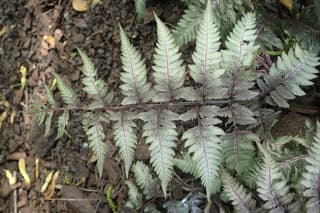
Japanese Painted Fern with Crown Rot: Prevention & Cure
Athyrium niponicum
Crown Rot on Japanese Painted Fern: What to Know?
Crown Rot on Japanese Painted Fern (Athyrium niponicum) is a fungal condition with high severity. Japanese Painted Fern has moderate susceptibility to this disease. Crown rot is a serious fungal disease that attacks the crown (base) of the plant where the stem meets the soil. It is caused by various fungal pathogens including Phytophthora, Fusarium, and Rhizocton...
Japanese Painted Fern is a easy-care plant. Recovery from Crown Rot takes approximately 21 days with proper treatment.
Unlike bacterial infections, Crown Rot on Japanese Painted Fern can be managed with organic fungicides.
🔍 What Does Crown Rot Look Like on Japanese Painted Fern?
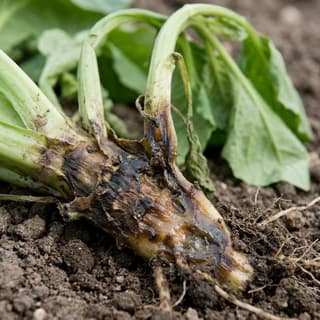
- • Browning or blackening tissue at stem base
- • Soft, mushy crown that feels spongy to touch
- • Wilting leaves, especially during midday heat
- • Yellowing of lower leaves that drop prematurely
- • Stunted or slowed growth
- • Dark brown lesion girdling the main stem just above soil line
- • Entire plant may collapse suddenly
❓ What Causes Crown Rot on Japanese Painted Fern?
- → Overwatering or poor drainage
- → Planting too deep (crown below soil level)
- → Heavy, compacted soil that retains water
- → Physical damage to crown from tools or handling
- → Contaminated soil or reused potting mix
- → Poor air circulation around plant base
- → Low soil pH (below 6.0) favors fungal growth
💊 How to Treat Crown Rot on Japanese Painted Fern?
TLDR: Treat Crown Rot on Japanese Painted Fern with quick treatment (~14 days) or organic (~21 days). Japanese Painted Fern has moderate susceptibility to this disease.
Quick Fixes
Immediate unpotting
Remove plant from soil immediately. Every minute counts with crown rot.
Rapid rinse
Rinse all soil off under running water. Inspect crown for extent of damage.
Aggressive pruning
Cut away ALL discolored tissue without hesitation. Better to over-prune than leave any infected tissue.
Hydrogen peroxide treatment
Spray or dip crown and roots in 3% hydrogen peroxide solution. This kills pathogens instantly and oxygenates tissue.
Quick dry
Pat dry with paper towels and air dry for 1 hour in front of a fan.
Fast repot
Plant in completely DRY, fresh cactus mix with crown elevated above soil. Do NOT water.
Strict water ban
Absolutely no water for 5-7 days. Place in bright indirect light with good airflow.
Minimal watering protocol
Resume watering only when soil is bone dry. Use half the normal amount.
Organic Treatment
Emergency removal
Immediately remove the plant from its pot. Speed is critical to save any healthy tissue.
Thorough cleaning
Gently wash all soil from roots and crown using lukewarm water. Examine the entire crown area carefully.
Surgical tissue removal
Using sterile scissors, cut away ALL brown, black, or mushy tissue from the crown and roots. Cut back to firm, healthy tissue.
Cinnamon treatment
Generously dust all cut surfaces with cinnamon powder. This acts as a natural fungicide and prevents regrowth.
Chamomile soak
Brew strong chamomile tea (3-4 bags), let cool completely. Soak the crown and roots for 20-30 minutes.
Air drying period
Let the plant air dry in a shaded, well-ventilated area for 3-4 hours. Crown should be completely dry.
Prepare clean container
Sterilize pot with diluted vinegar (1:4 ratio), rinse thoroughly, and dry. Fill with fresh cactus/succulent mix for superior drainage.
Careful replanting
Plant with crown ABOVE soil level. Mix perlite into soil for extra drainage. Ensure no soil touches the crown.
Initial care
Do NOT water for 5-7 days. Place in bright indirect light with excellent air circulation.
Recovery monitoring
Water only when soil is completely dry for next 3 weeks. Apply diluted neem oil monthly as preventive.
🛡️ How to Prevent Crown Rot on Japanese Painted Fern?
TLDR: Prevent Crown Rot on Japanese Painted Fern with 8 essential preventive care practices.
- ✓ Ensure excellent drainage with raised beds or well-draining soil
- ✓ Plant at proper depth with crown at or slightly above soil level
- ✓ Water at soil level, avoid wetting the crown
- ✓ Maintain soil pH between 6.0-7.0
- ✓ Provide adequate spacing for air circulation
- ✓ Use sterile potting mix and clean tools
- ✓ Avoid physical damage to plant base
- ✓ Remove and discard infected plants promptly to prevent spread
🌱 How to Care for Japanese Painted Fern to Prevent Crown Rot?
💧 How to Water
Water deeply whenever the top 2–3 cm of soil begins to feel barely dry, typically every 4–6 days in warm weather. Japanese painted fern tolerates neither prolonged drought nor standing water — drought causes frond browning and tip die-back while soggy soil invites crown and root rot. Water early in the day so foliage dries before nightfall, reducing botrytis risk. Reduce watering significantly once the plant dies back in autumn; the dormant crown needs only occasional moisture to prevent complete desiccation.
☀️ Lighting
Provide partial shade to full shade — ideally 2–4 hours of filtered or dappled light per day (1,000–5,000 lux). The most vibrant silver and maroon frond coloration develops in light shade; deep shade produces larger, greener fronds with less silver contrast. Avoid direct afternoon sun, which scorches and bleaches the delicate fronds. In northern gardens it can tolerate a little more morning sun; in hot southern climates err toward deeper shade.
🪴 Ideal Soil
Plant in humus-rich, organically amended, well-drained soil with a slightly acidic pH of 5.5–6.5. Work in generous amounts of leaf mold, compost, or aged manure before planting to replicate the rich woodland floor conditions this fern naturally inhabits. Good drainage is essential — the plant thrives in damp soil, not waterlogged soil. Top-dress annually with shredded leaves or compost to maintain organic content and retain moisture.
Frequently asked questions
Can Crown Rot kill my Japanese Painted Fern?
How long does Japanese Painted Fern take to recover from Crown Rot?
Is Crown Rot contagious to other plants near Japanese Painted Fern?
Sources & References
- Root and Crown Rots – Wisconsin Horticulture
- Fusarium crown and root rot | UMN Extension
- Crown Rot Disease: What Is Crown Rot And How To Treat It
- Crown Rot: Identify, Prevent and Treat it
- Japanese Painted Fern Care: All About Growing Athyrium Niponicum
- Athyrium niponicum var. pictum - Missouri Botanical Garden Plant Finder
- Athyrium niponicum - NC State Extension Gardener Plant Toolbox
- Japanese Painted Fern: A Hardy Perennial for Shady Gardens - Savvy Gardening
- Athyrium nipponicum Pictum - Greenhouse Product News