Diplocarpon — Plant Disease
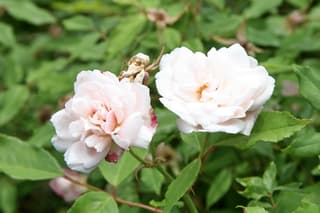
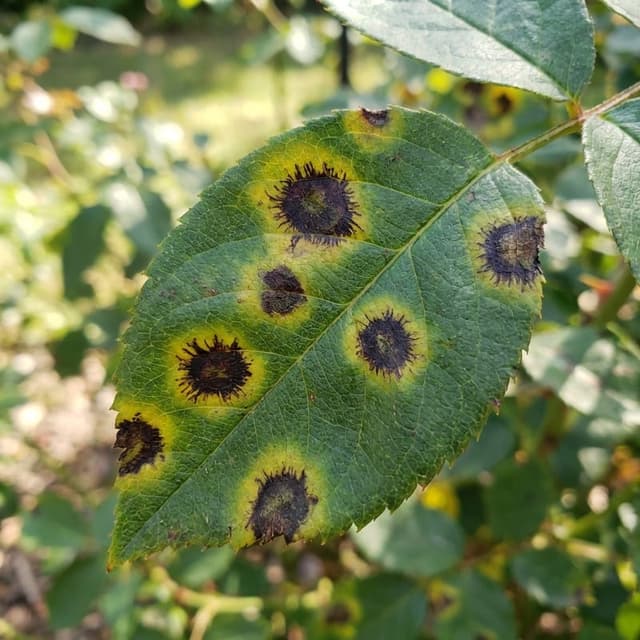
Diplocarpon is a group of leaf-spot fungi best known for causing black spot on roses. It spreads by splashing water and thrives on wet leaves in cool to mild, damp weather. Look for round, dark spots with fringed or feathery edges on leaves, followed by yellowing and early leaf drop; stems can develop purple‑black lesions. Roses are most often affected, but similar leaf spots can occur on strawberry and on apple/crabapple. Repeated infections weaken plants and reduce flowering and vigor.
What is Black Spot?
Black Spot is a fungal condition with moderate severity that affects plants. Diplocarpon is a group of leaf-spot fungi best known for causing black spot on roses. It spreads by splashing water and thrives on wet leaves in cool to mild, damp weather. Look for round, dark spots with fringed or feathery edges on leaves, followed by yellowing and early leaf drop; stems can devel...
Black Spot is a fungal disease with moderate severity. It affects 3 plant species in our database. This condition is contagious and can spread between plants.
Unlike bacterial infections, Black Spot spreads slowly but is harder to eradicate. Without treatment, affected leaves won't recover. Without isolation, nearby plants can become infected within days.
🧪 Natural vs Chemical: Which Treatment Works for Black Spot?
🌱 Natural Solutions
- ✓ Prune out infected leaves and stems and discard them in the trash, and do not compost them.
- ✓ Rake up and remove fallen leaves throughout the season, especially in autumn.
- ✓ Improve airflow by spacing plants properly and thinning crowded shoots so leaves dry quickly after rain.
- ✓ Water at the base in the morning and avoid wetting foliage.
- ✓ Apply mulch about 5 to 8 cm deep to limit soil splash onto lower leaves.
- ✓ Choose disease-resistant cultivars when available.
- ✓ Disinfect pruners between plants using 70 percent alcohol.
- ✓ Apply preventive biocontrols such as products with Bacillus subtilis strain QST 713 or Trichoderma spp. before or at first symptoms.
- ✓ When a plant is heavily infected, perform season-appropriate hard pruning to remove most diseased foliage and restart with strict hygiene.
💉 Chemical Solutions
- ✓ Use low-risk fungicides labeled for the target plant and disease, such as sulfur or potassium bicarbonate, as preventive or early options, and reapply after rain.
- ✓ Apply copper soap also known as copper octanoate where permitted and use it sparingly to avoid copper buildup.
- ✓ On ornamentals such as roses, apply myclobutanil or tebuconazole where available to home gardeners, and avoid use on edibles unless specifically allowed.
- ✓ Test a small area first, spray in cool dry conditions, and observe reentry and harvest intervals.
🛡️ How to Prevent Black Spot?
TLDR: Prevent Black Spot with 7 essential care practices. Regular monitoring is key for early detection.
- ✓ Plant in sunny, open sites with good morning sun so leaves dry quickly.
- ✓ Provide generous spacing and prune to open the canopy each year.
- ✓ Water at soil level and mulch to reduce splash.
- ✓ Remove and dispose of fallen leaves throughout the season and at the end of the season.
- ✓ Feed and water plants properly but avoid excess nitrogen, which promotes soft disease-prone growth.
- ✓ Select resistant cultivars.
- ✓ If Diplocarpon has been a recurring issue, begin preventive sprays with biologicals, sulfur, or potassium bicarbonate early in the season and reapply as directed, especially after wet weather.
🔗Related Diseases
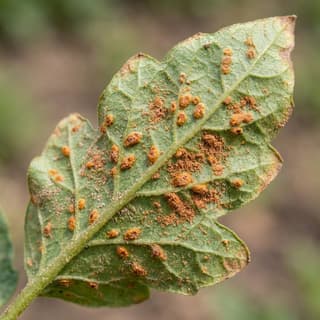
Rust
Rust fungi (Pucciniales) are fungal diseases that form rust-colored, usually orange to brown pustules with powdery spore dust on leaves, stems, or fruits. Typical symptoms include small spots that develop into cushions or rings; leaves turn yellow, curl, and drop prematurely. The fungi spread primarily in damp weather and dense foliage. Many ornamental and crop plants are affected, frequently including roses, mallows (hollyhocks), pears (pear rust), and currants. Some rust fungi require two host plants for their life cycle, such as pear and certain juniper species.
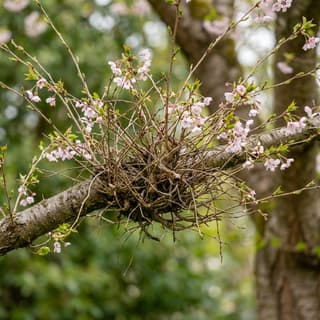
Cherry Witches' Broom
Taphrina wiesneri is a fungal disease affecting cherry trees (Prunus species, including sweet, sour, and ornamental varieties). The fungus overwinters in buds and bark, infecting young leaves and shoots during cool, wet spring weather. Infected leaves become thickened, puckered, and curled, often displaying reddish or yellow blotches and a fine whitish bloom on the surface. Severely affected leaves may drop prematurely. Small twigs can develop 'witches' brooms,' which are dense clusters of weak, distorted shoots.
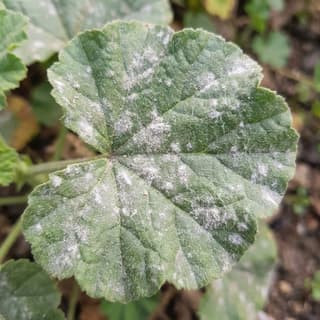
Powdery Mildew
MediumPowdery mildew is a common fungal disease caused by various fungi species including Erysiphe, Podosphaera, Oïdium, and Leveillula. It affects over 10,000 plant species worldwide. The disease thrives in warm, dry climates with high humidity and appears as a distinctive white powdery coating on plant surfaces.

Root Rot
HighRoot rot is a serious fungal disease that affects the root system of plants, causing them to decay and die. It is primarily caused by overwatering, poor drainage, or soil-borne fungi such as Pythium, Phytophthora, Rhizoctonia, and Fusarium. The disease thrives in waterlogged conditions where roots are deprived of oxygen, making them susceptible to fungal infection.