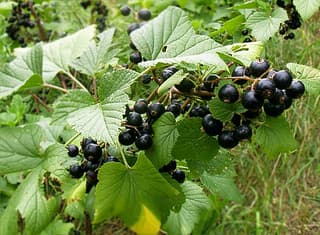
Blackcurrant with Drepanopeziza: Prevention & Cure
Ribes nigrum
Drepanopeziza on Blackcurrant: What to Know?
Drepanopeziza on Blackcurrant (Ribes nigrum) is a fungal condition with moderate severity. Blackcurrant has moderate susceptibility to this disease.
Blackcurrant is a easy-care plant.
Unlike bacterial infections, Drepanopeziza on Blackcurrant can be managed with organic fungicides.
🌱 How to Care for Blackcurrant to Prevent Drepanopeziza?
💧 How to Water
Water every 7-10 days, ensuring the soil stays evenly moist but not waterlogged. During hot spells, increase frequency. In winter dormancy, significantly reduce watering as the plant requires much less moisture.
☀️ Lighting
Thrives in full sun to partial sun, requiring at least 6 hours of direct sunlight daily. South or south-west facing positions maximise fruit production. It tolerates partial shade but yields will be reduced.
🪴 Ideal Soil
Prefers moisture-retentive, fertile loamy soil with good drainage and a pH of 6.5-7.5. Enrich with well-rotted compost before planting and apply a thick mulch around the base annually to retain moisture and suppress weeds.