Grey Poplar Prone to Willow Anthracnose: How to Protect
Populus × canescens
Willow Anthracnose on Grey Poplar: What to Know?
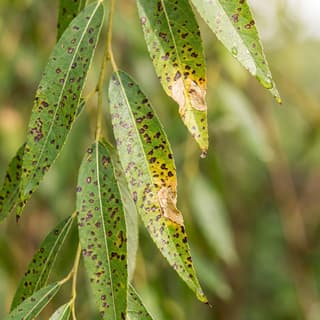
Willow Anthracnose on Grey Poplar (Populus × canescens) is a fungal condition with moderate severity. Grey Poplar has high susceptibility to this disease.
Grey Poplar is a easy-care plant.
Grey Poplar is highly susceptible to Willow Anthracnose, unlike most plants in the same family. Unlike bacterial infections, Willow Anthracnose on Grey Poplar can be managed with organic fungicides.
🌱 How to Care for Grey Poplar to Prevent Willow Anthracnose?
💧 How to Water
Water young trees about once a week during their first two or three growing seasons, more often in hot, dry spells, soaking the whole root zone. Established trees rely on a regular water supply from the ground and suffer quickly in drought; on dry sites, keep watering deeply in summer. Wet or occasionally flooded soil is not a problem.
☀️ Lighting
Full sun. Young trees tolerate a little shade for their first years, but growth slows sharply; adult trees need full light. Even light also helps the trunk grow straight, as the grey poplar bends strongly toward the light.
🪴 Ideal Soil
Prefers deep, moist, nutrient-rich loam. It also grows on clay, sand and chalky soil, and tolerates poorer, drier ground, but not peaty or very acid soils. It copes well with waterlogged and compacted soils as long as water supply stays regular.