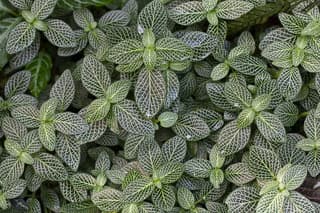

Nerve Plant with Edema: Prevention & Cure
Fittonia albivenis
Edema on Nerve Plant: What to Know?
Edema on Nerve Plant (Fittonia albivenis) is a environmental condition with low severity. Nerve Plant has moderate susceptibility to this disease. Edema (also spelled oedema) is a non-infectious physiological disorder caused by an imbalance between water uptake and transpiration. When roots absorb water faster than leaves can release it through...
Nerve Plant is a medium-care plant. Recovery from Edema takes approximately 35 days with proper treatment. As an indoor plant, ensure good ventilation to aid recovery.
🔍 What Does Edema Look Like on Nerve Plant?
- • Small translucent fluid-filled blisters appear on leaf undersides
- • Wart-like bumps primarily affect older leaves, starting at margins
- • Blisters may increase in size, merge together, then burst
- • Ruptured blisters leave tan or brown corky scars
- • Leaves may curl or show minor distortion
- • Occasionally affects stems with raised corky lesions
- • No yellowing, wilting, or plant decline (distinguishes from disease)
❓ What Causes Edema on Nerve Plant?
- → Excessive water uptake by roots exceeding transpiration capacity
- → High relative humidity (above 70%) reducing moisture loss through stomata
- → Low light conditions (below 2,500 lux) limiting photosynthesis and transpiration
- → Cool air temperatures combined with warm root zones
- → Poor air circulation preventing water vapor dispersal
- → Overwatering or waterlogged soil conditions
- → Cool, cloudy weather during winter months
- → Sudden environmental changes (greenhouse to home transition)
💊 How to Treat Edema on Nerve Plant?
TLDR: Treat Edema on Nerve Plant with quick treatment (~18 days) or organic (~35 days). Nerve Plant has moderate susceptibility to this disease.
Quick Fixes
Step 1
Stop watering immediately and let soil dry out
Step 2
Move plant to area with better air circulation and lower humidity
Step 3
Remove all heavily blistered or damaged leaves
Step 4
Ensure drainage holes are clear and functioning
Step 5
Place container on pot feet to improve drainage
Step 6
Reduce ambient humidity if growing indoors
Organic Treatment
Step 1
Reduce watering frequency immediately - allow soil to dry between waterings
Step 2
Improve soil drainage by incorporating organic matter (leaf mould, well-rotted compost)
Step 3
Apply foliar spray of compost tea weekly to strengthen plant immune system
Step 4
Increase air circulation around affected plants
Step 5
Remove severely affected leaves to prevent further stress
Step 6
Apply organic silica supplements to strengthen cell walls
Step 7
Introduce mycorrhizal fungi to enhance nutrient uptake
🛡️ How to Prevent Edema on Nerve Plant?
TLDR: Prevent Edema on Nerve Plant with 8 essential preventive care practices.
- ✓ Water only when top 1-2 inches of soil feel dry to touch
- ✓ Ensure proper drainage with well-draining soil and pots with holes
- ✓ Maintain humidity below 60% using dehumidifiers if needed
- ✓ Provide adequate spacing between plants (6+ inches minimum)
- ✓ Ensure good air circulation with fans running 4-6 hours daily
- ✓ Provide sufficient light (6+ hours direct sun or grow lights)
- ✓ Avoid temperature extremes between soil and air
- ✓ Empty plant saucers 30 minutes after watering
🌱 How to Care for Nerve Plant to Prevent Edema?
💧 How to Water
Water 2-3 times per week in summer when the top 2.5 cm of soil feels dry. Reduce watering in winter. If the leaves droop, water immediately - it will recover within hours. Use distilled or non-chlorinated water for best results.
☀️ Lighting
Requires bright indirect light. Avoid direct sunlight which can burn the leaves. A north-facing window or light filtered through sheer curtains is ideal. If it does not receive enough light, leaves will lose their vibrant color.
🪴 Ideal Soil
Use well-draining soil with pH 6.0-6.5. Add vermiculite or perlite to improve aeration, drainage, and moisture retention. The ideal mix includes peat, perlite, and universal potting soil.