Fire Blight: Bacterial Infection | How to Treat
Fire blight is a highly destructive and contagious bacterial disease caused by Erwinia amylovora. It primarily affects plants in the Rosaceae family, including apple, pear, quince trees, and various ornamental plants. The disease can destroy an entire orchard in a single growing season under ideal conditions, with the bacterium moving approximately 11 inches per week in new growth.
Fast
90 days
What is Fire Blight?
Fire Blight is a bacterial condition with critical severity that affects plants. Fire blight is a highly destructive and contagious bacterial disease caused by Erwinia amylovora. It primarily affects plants in the Rosaceae family, including apple, pear, quince trees, and various ornamental plants. The disease can destroy an entire orchard in a single growing season under ideal c...
Fire Blight is a bacterial disease with critical severity that spreads at a fast rate. Recovery typically takes approximately 90 days with proper treatment. It affects 10 plant species in our database. This condition is contagious and can spread between plants.
Fire Blight has no effective chemical cure, unlike pests. Without removing affected parts, the infection spreads internally through the plant. Without isolation, nearby plants can become infected within days.
🔍 What Are the Symptoms of Fire Blight?
TLDR: Fire Blight presents 7 main symptoms. Early identification is crucial for effective treatment.
Main Symptoms
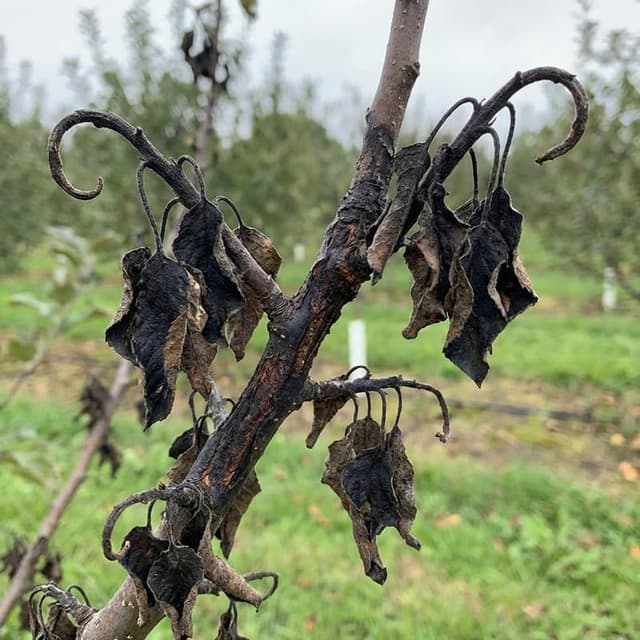
- ! Flowers and flower clusters appear water-soaked, then droop and shrivel, turning brown or black
- ! Blackened flowers and leaves remain attached to branches
- ! Young shoots wilt forming the characteristic shepherd's crook hook shape
- ! Leaves turn gray-green, then brown or black
- ! Sticky bacterial ooze on infected tissue
- ! Sunken, discolored cankers on branches and trunks
- ! Scorched appearance as if burned by fire
Visual Signs
❓ What Causes Fire Blight in Plants?
- → Erwinia amylovora bacterium that overwinters in cankers formed during the previous season
- → Spread by pollinating insects (especially bees) visiting bacterial ooze
- → Dispersal by rain splash and wind
- → Contaminated pruning tools transmit the disease between plants
- → Warm temperatures (70-80°F) and high humidity create ideal conditions
- → New, succulent growth is highly susceptible to infection
- → Excessive nitrogen fertilization promotes vulnerable growth
💊 How to Treat Fire Blight?
TLDR: Treat Fire Blight with 45 days of quick treatment or 90 days of organic treatment. Full recovery takes approximately 90 days.
Quick Fixes
~45 days
Immediate Pruning
Cut all infected branches 8-12 inches below symptoms. Sterilize tools with alcohol between cuts. Destroy infected material.
Antibiotic Application
Spray kasugamycin or oxytetracycline within 24 hours. Acidify spray tank to pH 5. Apply thorough coverage.
Follow-up Sprays
Reapply antibiotic before predicted rain events. Continue every 3-5 days during warm, humid weather.
Materials needed:
Organic Treatment
~90 days
Sanitation Pruning
Remove all infected branches cutting 8-12 inches below visible symptoms. Sterilize tools between each cut with 70% alcohol. Burn or dispose of infected material away from garden.
Preventive Copper Application
Spray 0.5% Bordeaux mixture or soluble copper product on all affected and adjacent plants. Repeat every 4-5 days during wet periods.
Biological Control
Apply Blossom Protect (Aureobasidium pullulans) during bloom followed by Bacillus-based products after petal fall.
Continued Monitoring
Inspect plants weekly. Promptly remove any new infected tissue. Continue preventive sprays during disease-favorable conditions.
Materials needed:
Expert Treatment
~135 days
Comprehensive Assessment
Inspect entire orchard/landscape. Map all cankers and infections. Identify primary inoculum source. Evaluate environmental conditions and cultural practices.
Winter Sanitation
During dormancy, remove all cankers cutting at next branch juncture. Pathogen is confined allowing closer cuts. Destroy all pruned material.
Preventive Spray Program
Implement forecasting model-based program (Cougar Blight or Maryblyt). Apply rotational antibiotics (kasugamycin, oxytetracycline) before high-risk moisture events. Acidify tank to pH 5.
Cultural Modifications
Reduce nitrogen fertilization. Improve air circulation through understory management. Reduce irrigation during bloom. Avoid heavy mid-summer pruning.
Integrated Control
Combine antibiotics with biological controls (Blossom Protect, Bacillus spp.) and copper products. Rotate modes of action to prevent resistance.
Variety Replacement
For highly susceptible cultivars, consider gradual replacement with resistant varieties. Remove flowers from young trees at pink bud stage.
Step by Step
- 1
Prune infected branches at least 8-12 inches below obvious infection during summer or winter
- 2
Make cuts at the next branch juncture down without harming the branch collar
- 3
Sterilize tools between cuts with 70% isopropyl alcohol or 10% bleach solution
- 4
Destroy all infected pruning material - never compost
- 5
For trunk/limb infections, scrape bark to the cambium layer
- 6
Apply preventive sprays during high-risk periods using disease forecasting models
- 7
Monitor treated trees weekly during growing season
- 8
Repeat pruning if new symptoms appear
🧪 Natural vs Chemical: Which Treatment Works for Fire Blight?
🌱 Natural Solutions
- ✓ Preventive spraying with weak Bordeaux mixture (0.5%) when flowers open
- ✓ Soluble copper products applied every 4-5 days during wet periods (0.16-0.25 lbs metallic copper per 100 gallons per acre)
- ✓ Blossom Protect (Aureobasidium pullulans yeast) combined with copper products
- ✓ Bacillus-based products applied after petal fall
- ✓ Essential oils for additional suppression
- ✓ Flower removal on young trees at pink bud stage to prevent infection
💉 Chemical Solutions
- ✓ Kasugamycin - excellent control (~92% efficacy), controls streptomycin-resistant strains
- ✓ Oxytetracycline - good suppression (~74% efficacy), low resistance risk
- ✓ Streptomycin - should be combined with oxytetracycline, limited to one seasonal application
- ✓ Apply antibiotics within 24 hours before moisture events
- ✓ Spray tank acidification to pH 5 significantly enhances efficacy
- ✓ Basic copper sulfate (Kocide) - apply at bloom onset, repeat every 7 days
- ✓ Agrimycin - begin at bloom start, apply every 3-4 days throughout blooming
Treatment Comparison
| Type | Estimated time | Steps | Difficulty | Best For |
|---|---|---|---|---|
| ⚡Quick | ~45 days | 3 | Advanced | Urgent cases |
| 🌿Organic | ~90 days | 4 | Advanced | Indoor plants |
| 🔬Expert | ~135 days | 6 | Advanced | Severe infections |
🛡️ How to Prevent Fire Blight?
TLDR: Prevent Fire Blight with 8 essential care practices. Regular monitoring is key for early detection.
- ✓ Plant resistant varieties when available (e.g., Kieffer, Moonglow, Orient pears; Enterprise, Freedom, Liberty apples)
- ✓ Avoid excessive nitrogen fertilization, especially late in the season
- ✓ Avoid heavy pruning in early summer that stimulates succulent growth
- ✓ Reduce irrigation during bloom period
- ✓ Maintain good air circulation through weed and cover crop management
- ✓ Monitor regularly for early detection
- ✓ Remove and destroy infected flowers and tissue as soon as detected
- ✓ Sterilize pruning tools between cuts with 70% isopropyl alcohol or 10% bleach solution
🔗Related Diseases
Bacterial Leaf Spot
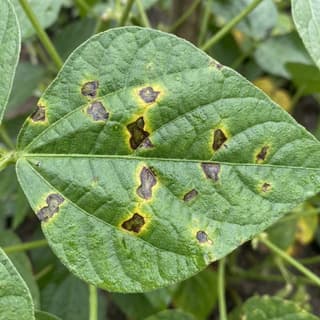
MediumBacterial leaf spot is a plant disease caused by bacteria in the Xanthomonas and Pseudomonas genera that affects various ornamental and edible plants. The bacteria infect leaves through wounds or natural openings, causing characteristic lesions that can lead to premature leaf drop and plant weakening.
Bacterial Soft Rot
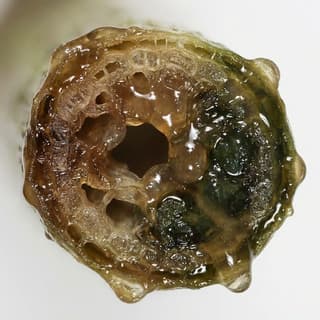
HighBacterial soft rot is a destructive plant disease caused primarily by bacteria from the genera Pectobacterium (formerly Erwinia) and Dickeya. These bacteria produce enzymes that break down plant cell walls, causing rapid and foul-smelling tissue decomposition. It mainly affects succulent tissues such as tubers, fruits, stems, and bulbs, being especially problematic in warm and humid conditions.
Crown Gall
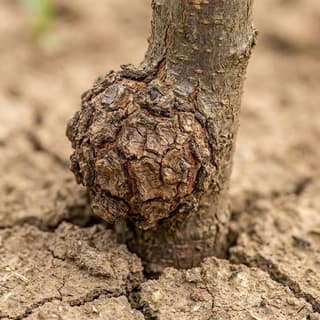
HighCrown gall is a bacterial disease caused by Agrobacterium tumefaciens that affects over 140 species of plants. The bacteria insert DNA into plant cells, causing them to divide uncontrollably and form large tumor-like growths (galls) primarily on roots, stems, and at the soil line. These galls restrict water and nutrient flow, severely impacting plant health and potentially killing the plant.
Bacterial Wilt
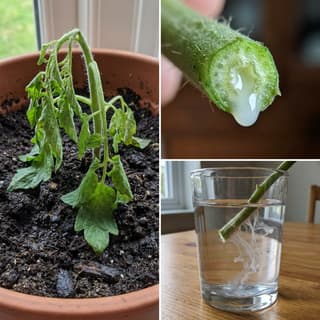
CRITICALBacterial wilt is a fatal vascular disease caused by bacteria (Erwinia tracheiphila, Ralstonia solanacearum, Xanthomonas spp.) that infects the water-conducting tissue of plants. The bacteria multiply and block the flow of water and nutrients, causing rapid wilting and plant death within 1-2 weeks.