Gray Mold (Botrytis Blight): Fungal Disease | Treatment Guide
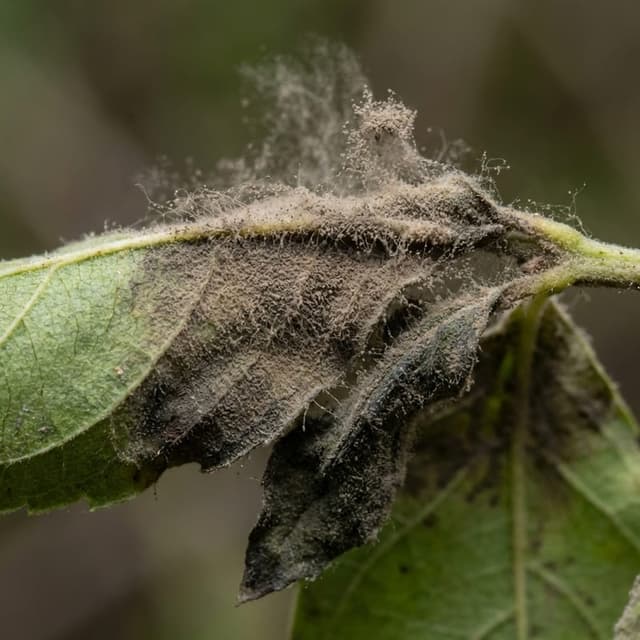
Gray mold, caused by the fungus Botrytis cinerea, is a widespread necrotrophic pathogen affecting over 1,400 plant species. It thrives in cool, humid conditions and attacks weakened or aging plant tissues, causing soft rot and characteristic gray fuzzy growth.
Fast
21 days
What is Gray Mold (Botrytis Blight)?
Gray Mold (Botrytis Blight) is a fungal condition with high severity that affects plants. Gray mold, caused by the fungus Botrytis cinerea, is a widespread necrotrophic pathogen affecting over 1,400 plant species. It thrives in cool, humid conditions and attacks weakened or aging plant tissues, causing soft rot and characteristic gray fuzzy growth.
Gray Mold (Botrytis Blight) is a fungal disease with high severity that spreads at a fast rate. Recovery typically takes approximately 21 days with proper treatment. It affects 10 plant species in our database. This condition is contagious and can spread between plants.
Unlike bacterial infections, Gray Mold (Botrytis Blight) spreads slowly but is harder to eradicate. Without treatment, affected leaves won't recover. Not recommended to ignore early signs. Without early intervention, recovery can take twice as long. Without isolation, nearby plants can become infected within days.
🔍 What Are the Symptoms of Gray Mold (Botrytis Blight)?
TLDR: Gray Mold (Botrytis Blight) presents 7 main symptoms. Early identification is crucial for effective treatment.
Main Symptoms
- ! Gray, fuzzy mold coating on flowers, leaves, stems, or fruits
- ! Soft, water-soaked brown lesions that rapidly expand
- ! Wilting and browning of flower petals
- ! Cloud of gray spores released when infected parts are disturbed
- ! Black, hard sclerotia (fungal survival structures) forming under rotted areas
- ! Ghost spots on fruits - small whitish rings from aborted infections
- ! Rapid tissue collapse and decay
Visual Signs
❓ What Causes Gray Mold (Botrytis Blight) in Plants?
- → Fungal spores spread by air, water, and contact
- → Free moisture on plant surfaces for 8-12 hours
- → High relative humidity (>93% in canopy)
- → Cool temperatures (55-65°F / 13-18°C)
- → Poor air circulation
- → Dense plant canopies with overlapping foliage
- → Wounded, aging, or stressed plant tissues
- → Overhead watering that keeps foliage wet
💊 How to Treat Gray Mold (Botrytis Blight)?
TLDR: Treat Gray Mold (Botrytis Blight) with 11 days of quick treatment or 21 days of organic treatment. Full recovery takes approximately 21 days.
Quick Fixes
~11 days
Step 1
Immediately remove all visibly infected plant parts
Step 2
Apply fast-acting systemic fungicide (fenhexamid or similar)
Step 3
Reduce humidity below 85% using dehumidifier or ventilation
Step 4
Move plants to well-ventilated area with good air circulation
Step 5
Stop all overhead watering immediately
Step 6
Apply second fungicide treatment after 7 days
Step 7
Remove any new infections daily for 2 weeks
Step 8
Apply preventive fungicide spray weekly for 3 weeks
Materials needed:
Organic Treatment
~21 days
Step 1
Isolate infected plants immediately to prevent spore spread
Step 2
Remove all infected tissues (flowers, leaves, stems) using sterilized pruners
Step 3
Apply Bacillus subtilis biological fungicide spray to all plant surfaces
Step 4
Spray neem oil solution (1-2% concentration) covering entire plant
Step 5
Improve air circulation with fans running 12+ hours daily
Step 6
Apply potassium bicarbonate foliar spray weekly
Step 7
Introduce Trichoderma biocontrol agent to soil and leaves
Step 8
Monitor daily and remove any new infections immediately
Step 9
Reapply organic treatments every 5-7 days for 3 weeks
Materials needed:
Expert Treatment
~32 days
Step 1
Conduct thorough inspection of entire plant collection
Step 2
Document all infected plants and severity levels
Step 3
Immediately isolate infected plants in quarantine area
Step 4
Remove and bag all infected tissues for disposal (not composting)
Step 5
Apply systemic fungicide (fenhexamid) as curative treatment
Step 6
Implement environmental controls: reduce RH to 70-80%, improve airflow
Step 7
Install HEPA air filtration to reduce airborne spores
Step 8
Apply Bacillus subtilis biocontrol 3 days after chemical treatment
Step 9
Implement fungicide rotation program (FRAC codes 17, M5, 1, 2)
Step 10
Apply preventive fungicide to all plants every 7-14 days
Step 11
Install monitoring traps for early detection
Step 12
Remove all plant debris weekly from growing area
Step 13
Sanitize all tools, pots, and surfaces with 10% bleach solution
Step 14
Conduct daily inspections for 30 days
Step 15
Test fungicide sensitivity if disease persists after 2 applications
Step 16
Document all treatments and results for resistance tracking
Step by Step
- 1
Immediately isolate infected plants from healthy ones
- 2
Remove and destroy all infected flowers, leaves, stems, and fruits
- 3
Improve air circulation with fans or by spacing plants
- 4
Reduce humidity by improving ventilation
- 5
Stop overhead watering; water only at soil level
- 6
Apply chosen fungicide treatment according to product label
- 7
Remove plant debris from soil surface and surrounding area
- 8
Monitor daily for new infections and remove promptly
- 9
Reapply fungicides every 7-14 days as preventive measure
- 10
Continue monitoring for 3-4 weeks after last symptoms
🧪 Natural vs Chemical: Which Treatment Works for Gray Mold (Botrytis Blight)?
🌱 Natural Solutions
- ✓ Remove all infected plant parts immediately
- ✓ Apply neem oil spray (clarified hydrophobic extract)
- ✓ Use Bacillus subtilis biological fungicide
- ✓ Apply potassium bicarbonate solution
- ✓ Spray copper-based organic fungicides
- ✓ Use Trichoderma or Cladosporium biocontrol agents
- ✓ Improve air circulation with fans
💉 Chemical Solutions
- ✓ Apply chlorothalonil fungicide on protective schedule
- ✓ Use fenhexamid (switch fungicide)
- ✓ Apply thiophanate-methyl (rotate to prevent resistance)
- ✓ Use iprodione (rotate with other modes of action)
- ✓ Apply according to FRAC resistance management guidelines
- ✓ Rotate fungicide modes of action to prevent resistance
Treatment Comparison
| Type | Estimated time | Steps | Difficulty | Best For |
|---|---|---|---|---|
| ⚡Quick | ~11 days | 8 | Advanced | Urgent cases |
| 🌿Organic | ~21 days | 9 | Advanced | Indoor plants |
| 🔬Expert | ~32 days | 16 | Advanced | Severe infections |
🛡️ How to Prevent Gray Mold (Botrytis Blight)?
TLDR: Prevent Gray Mold (Botrytis Blight) with 9 essential care practices. Regular monitoring is key for early detection.
- ✓ Ensure excellent air circulation around plants
- ✓ Space plants adequately to prevent overcrowding
- ✓ Water at soil level early in the day to allow foliage to dry
- ✓ Avoid overhead watering during blooming
- ✓ Remove dead flowers, leaves, and plant debris promptly
- ✓ Maintain relative humidity below 85% if possible
- ✓ Provide proper nutrition - avoid excessive nitrogen
- ✓ Prune dense growth to improve airflow
- ✓ Quarantine new plants before introducing to collection
🔗Related Diseases
Rust
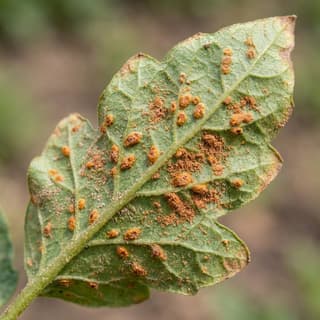
Rust fungi (Pucciniales) are fungal diseases that form rust-colored, usually orange to brown pustules with powdery spore dust on leaves, stems, or fruits. Typical symptoms include small spots that develop into cushions or rings; leaves turn yellow, curl, and drop prematurely. The fungi spread primarily in damp weather and dense foliage. Many ornamental and crop plants are affected, frequently including roses, mallows (hollyhocks), pears (pear rust), and currants. Some rust fungi require two host plants for their life cycle, such as pear and certain juniper species.
Cherry Witches' Broom
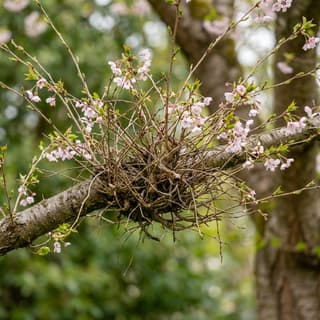
Taphrina wiesneri is a fungal disease affecting cherry trees (Prunus species, including sweet, sour, and ornamental varieties). The fungus overwinters in buds and bark, infecting young leaves and shoots during cool, wet spring weather. Infected leaves become thickened, puckered, and curled, often displaying reddish or yellow blotches and a fine whitish bloom on the surface. Severely affected leaves may drop prematurely. Small twigs can develop 'witches' brooms,' which are dense clusters of weak, distorted shoots.
Powdery Mildew
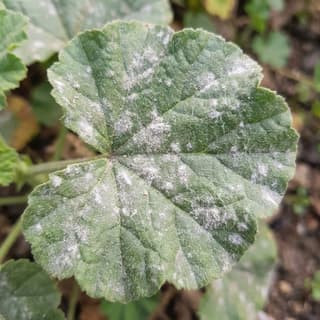
MediumPowdery mildew is a common fungal disease caused by various fungi species including Erysiphe, Podosphaera, Oïdium, and Leveillula. It affects over 10,000 plant species worldwide. The disease thrives in warm, dry climates with high humidity and appears as a distinctive white powdery coating on plant surfaces.

Root Rot
HighRoot rot is a serious fungal disease that affects the root system of plants, causing them to decay and die. It is primarily caused by overwatering, poor drainage, or soil-borne fungi such as Pythium, Phytophthora, Rhizoctonia, and Fusarium. The disease thrives in waterlogged conditions where roots are deprived of oxygen, making them susceptible to fungal infection.