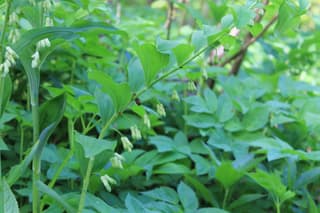
Eurasian Solomon's Seal Prone to Leaf chewing damage: How to Protect
Polygonatum multiflorum
Leaf chewing damage on Eurasian Solomon's Seal: What to Know?
Leaf chewing damage on Eurasian Solomon's Seal (Polygonatum multiflorum) is a pest condition with moderate severity. Eurasian Solomon's Seal has high susceptibility to this disease. Leaf chewing damage is caused by various pests like caterpillars, beetles, and slugs that eat plant tissue. This physical damage reduces the plant ability to make food through photosynthesis and can l...
Eurasian Solomon's Seal is a easy-care plant. Recovery from Leaf chewing damage takes approximately 14 days with proper treatment.
Eurasian Solomon's Seal is highly susceptible to Leaf chewing damage, unlike most plants in the same family. Without early intervention, recovery takes 21 days instead of 14 days. Unlike fungal diseases, Leaf chewing damage on Eurasian Solomon's Seal responds quickly to integrated pest management. Without precautions, chemical treatments for Leaf chewing damage can be harmful to pets. Use organic methods for Eurasian Solomon's Seal in pet-friendly homes.
🔍 What Does Leaf chewing damage Look Like on Eurasian Solomon's Seal?
- • Irregular holes in the middle of leaves
- • Jagged or missing leaf edges
- • Small dark droppings on leaves or soil
- • Silvery slime trails on the ground or stems
- • Visible insects hiding under leaves
❓ What Causes Leaf chewing damage on Eurasian Solomon's Seal?
- → Caterpillars and moth larvae
- → Beetles and weevils
- → Slugs and snails
- → Grasshoppers
🛡️ How to Prevent Leaf chewing damage on Eurasian Solomon's Seal?
TLDR: Prevent Leaf chewing damage on Eurasian Solomon's Seal with 4 essential preventive care practices.
- ✓ Check under leaves regularly for eggs
- ✓ Remove tall weeds near your garden
- ✓ Use physical mesh covers for young plants
- ✓ Encourage birds and ladybugs in your garden
🌱 How to Care for Eurasian Solomon's Seal to Prevent Leaf chewing damage?
💧 How to Water
Keep the soil evenly moist, watering about every 5 days in dry spells. It does not tolerate drought, but avoid waterlogged soil, which can rot the rhizomes.
☀️ Lighting
Best in partial or full shade. It tolerates sun only where the soil stays cool and moist; hot afternoon sun scorches the leaves.
🪴 Ideal Soil
Fertile, humus-rich, moist but well-drained soil; it accepts clay, loam, chalk or sand and acid to alkaline pH. A yearly mulch of leaf mould or compost keeps the shallow rhizomes happy.