Banana Plant Prone to Leaf Spot: How to Protect
Musa sp
Leaf Spot on Banana Plant: What to Know?
Leaf Spot on Banana Plant (Musa sp) is a fungal condition with moderate severity. Banana Plant has high susceptibility to this disease. Leaf spot is a common fungal disease caused by various pathogens including Alternaria, Ascochyta, Colletotrichum, Septoria, and Venturia. It primarily affects leaves, causing discolored spots that can...
Banana Plant is a medium-care plant. Recovery from Leaf Spot takes approximately 21 days with proper treatment. As an indoor plant, ensure good ventilation to aid recovery.
Banana Plant is highly susceptible to Leaf Spot, unlike most plants in the same family. Without early intervention, recovery takes 32 days instead of 21 days. Unlike bacterial infections, Leaf Spot on Banana Plant can be managed with organic fungicides.
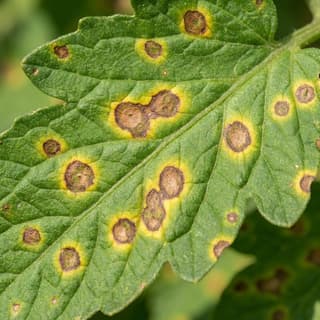
🔍 What Does Leaf Spot Look Like on Banana Plant?
- • Circular brown, gray, black, or yellow spots on leaves
- • Spots with concentric rings or dark margins
- • Yellow halo surrounding spots
- • Spots may be sunken or punch through the leaf creating holes
- • Heavily infected leaves may brown completely and drop prematurely
- • Angular or rounded spots with smooth or fringed edges
❓ What Causes Leaf Spot on Banana Plant?
- → Fungal pathogens (Alternaria, Septoria, Colletotrichum, Venturia)
- → Prolonged high humidity (12-24 hours)
- → Water splashing from rain or overhead irrigation
- → Poor air circulation between plants
- → Wet leaves for extended periods
- → Fungal spores overwintering on fallen leaves
- → Warm temperatures combined with high humidity
💊 How to Treat Leaf Spot on Banana Plant?
TLDR: Treat Leaf Spot on Banana Plant with quick treatment (~11 days) or organic (~21 days). Banana Plant has high susceptibility to this disease.
Quick Fixes
Remove all visibly infected leaves
Dispose in sealed plastic bag
Apply copper-based fungicide following manufacturer instructions
Cover all foliage evenly
Adjust watering practices - water only in morning at base
Avoid wetting leaves
Second fungicide application
Check if infection is controlled
Final evaluation and possible third application if needed
Most cases resolved within 2 weeks
Organic Treatment
Remove all infected leaves and dispose away from plants
Wear gloves and sanitize scissors after use
Isolate affected plant from other healthy plants
Maintain minimum 3-foot distance
Prepare neem oil spray (2 tablespoons per quart of water)
Add a few drops of liquid soap as emulsifier
Apply neem oil to all leaves (top and bottom surfaces)
Apply in evening to avoid sun scorch
Improve air circulation around plant
Prune overlapping or overly dense branches
Reapply neem oil
Repeat weekly application
Third neem oil application
Check if new spots have stopped appearing
Final evaluation
If no new spots, plant is recovering
🛡️ How to Prevent Leaf Spot on Banana Plant?
TLDR: Prevent Leaf Spot on Banana Plant with 9 essential preventive care practices.
- ✓ Remove and destroy fallen leaves before winter
- ✓ Avoid overhead watering and wetting foliage
- ✓ Maintain good air circulation through proper pruning
- ✓ Space plants adequately
- ✓ Water in the morning to allow leaf drying
- ✓ Apply 3-4 inch layer of mulch without touching stems
- ✓ Keep plants healthy with proper watering and nutrition
- ✓ Sanitize pruning tools regularly
- ✓ Remove dead or dying branches promptly
🌱 How to Care for Banana Plant to Prevent Leaf Spot?
💧 How to Water
Water the banana plant 2-3 times per week in summer, keeping soil evenly moist but not soggy. In winter, reduce frequency. Never let the soil dry out completely. A thick layer of organic mulch helps retain moisture around the roots.
☀️ Lighting
The banana plant loves full sun — at least 6 hours of direct sunlight per day. Indoors, place it near the brightest window in your home. Avoid deep shade, as this inhibits growth and fruiting.
🪴 Ideal Soil
Use a rich, well-draining, slightly acidic soil (pH 5.5–6.5). A mix of potting soil, organic compost, and coarse sand works well. Avoid compacted clay soils that retain too much water and cause root rot.
Frequently asked questions
Can Leaf Spot kill my Banana Plant?
How long does Banana Plant take to recover from Leaf Spot?
Is Leaf Spot contagious to other plants near Banana Plant?
Sources & References
- Leaf Spot Diseases: Identification, Causes, and Treatment for Garden Plants | Almanac.com
- Leaf Spot Disease Identification, Prevention & Management | Gardening Know How
- Leaf spot diseases of trees and shrubs | UMN Extension
- Leaf Spot Disease: Causes, Treatment, and Prevention
- Musa (genus) - Wikipedia
- Musa Banana Care - Our House Plants
- Banana Plant Care - Petal Republic
- Banana Plant Diseases And Pests - Gardening Know How
- Principais Pragas e Doenças da Bananeira - Mudas Delivery