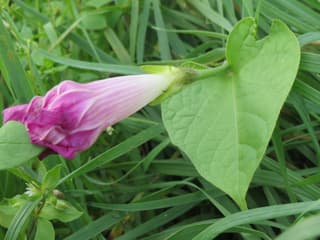
Common Morning Glory with Leafminers: Prevention & Cure
Ipomoea purpurea
Leafminers on Common Morning Glory: What to Know?
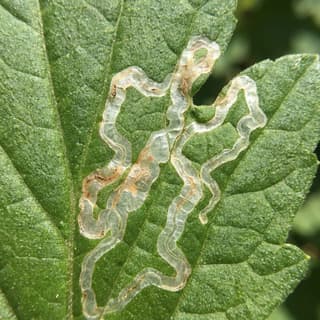
Leafminers on Common Morning Glory (Ipomoea purpurea) is a pest condition with moderate severity. Common Morning Glory has moderate susceptibility to this disease. Leafminers are the larvae of various insects including flies, moths, sawflies, and beetles that tunnel between leaf surfaces, creating distinctive serpentine trails or blotchy patches. While primarily...
Common Morning Glory is a easy-care plant. Recovery from Leafminers takes approximately 21 days with proper treatment.
Unlike fungal diseases, Leafminers on Common Morning Glory responds quickly to integrated pest management. Without precautions, chemical treatments for Leafminers can be harmful to pets. Use organic methods for Common Morning Glory in pet-friendly homes.
🔍 What Does Leafminers Look Like on Common Morning Glory?
- • Winding white, yellow or translucent trails on leaves
- • Irregular blotches or patches on foliage
- • Small puncture marks from egg-laying
- • Visible tiny larvae or black frass inside tunnels
- • Leaf yellowing and premature drop
- • Reduced plant vigor in heavy infestations
❓ What Causes Leafminers on Common Morning Glory?
- → Adult flies, moths, or beetles laying eggs on leaf undersides
- → Larvae hatching and burrowing into leaf tissue
- → Multiple generations per season in warm climates
- → Stress conditions making plants more vulnerable
- → Lack of natural predators in indoor environments
💊 How to Treat Leafminers on Common Morning Glory?
TLDR: Treat Leafminers on Common Morning Glory with quick treatment (~11 days) or organic (~21 days). Common Morning Glory has moderate susceptibility to this disease.
Quick Fixes
Step 1
Remove and dispose of heavily damaged leaves immediately
Step 2
Spray all plant surfaces with ready-to-use pyrethrin or permethrin insecticide
Step 3
Install yellow sticky traps to capture adult leafminers
Step 4
Repeat application every 5-7 days for 2-3 weeks
Step 5
Monitor daily for new serpentine trails
Step 6
Apply systemic insecticide for faster knockdown if needed
Organic Treatment
Step 1
Remove all visibly infested leaves and destroy them (do not compost)
Step 2
Release parasitic wasps (Diglyphus isaea) near affected plants - they parasitize larvae inside leaf tunnels
Step 3
Spray neem oil solution thoroughly on all leaf surfaces, focusing on undersides where adults lay eggs
Step 4
Install blue sticky traps around plants to catch adult flies before they reproduce
Step 5
Apply spinosad spray every 7-10 days for 3 weeks to kill emerging larvae
Step 6
Encourage natural predators by planting companion herbs like dill, fennel, and yarrow nearby
🛡️ How to Prevent Leafminers on Common Morning Glory?
TLDR: Prevent Leafminers on Common Morning Glory with 7 essential preventive care practices.
- ✓ Install blue or yellow sticky traps to catch adult insects before egg-laying
- ✓ Use floating row covers on outdoor plants during peak season
- ✓ Maintain plant health with proper watering and fertilization
- ✓ Plant trap crops like columbine or lamb's quarters to divert pests
- ✓ Encourage beneficial insects by planting dill, fennel, and yarrow
- ✓ Remove heavily infested leaves promptly
- ✓ Till soil in fall to bury overwintering pupae
🌱 How to Care for Common Morning Glory to Prevent Leafminers?
💧 How to Water
Water once per week during the growing season. Allow the soil to dry slightly between waterings. Avoid waterlogging as roots are susceptible to rot in compacted or poorly drained soil.
☀️ Lighting
Requires at least 6-8 hours of direct sunlight daily for abundant flowering. In partial shade the plant grows but blooms poorly. Position it in a south or east-facing location to maximize sun exposure.
🪴 Ideal Soil
Prefers well-drained, slightly sandy soil with a pH between 6.0 and 7.5. It actually blooms better in moderately fertile soil; soil too rich in nitrogen produces lush foliage but few flowers.
Frequently asked questions
Can Leafminers kill my Common Morning Glory?
How long does Common Morning Glory take to recover from Leafminers?
Is Leafminers contagious to other plants near Common Morning Glory?
Sources & References
- Organic Control of Leafminers | Beneficials & Insecticides
- Organic & Chemical Leaf Miner Control For Citrus Crops
- Leaf Miner Control | Planet Natural
- Leafminer Organic Pest Control -- Harvest to Table
- How to Identify & Control Leaf Miners | Garden Design
- PictureThis - Campanilla Morada Cuidados
- NC State Extension - Ipomoea purpurea
- Gardenia.net - Morning Glory Care
- Todo el Jardín - Ipomea Púrpura