Amazon Water Lily with Magnesium Deficiency: Prevention & Cure
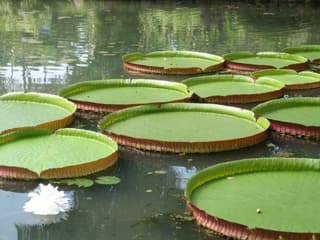
Victoria amazonica
Magnesium Deficiency on Amazon Water Lily: What to Know?
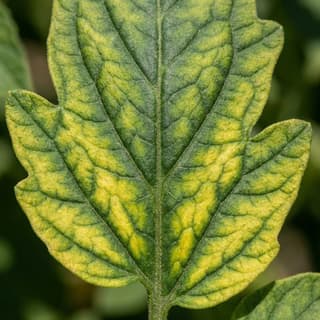
Magnesium Deficiency on Amazon Water Lily (Victoria amazonica) is a nutrient_deficiency condition with moderate severity. Amazon Water Lily has moderate susceptibility to this disease. Magnesium deficiency is a nutrient disorder characterized by interveinal chlorosis, where leaf tissue between veins turns yellow while the veins remain green. This deficiency affects older leaves firs...
Amazon Water Lily is a hard-care plant. Recovery from Magnesium Deficiency takes approximately 21 days with proper treatment.
🔍 What Does Magnesium Deficiency Look Like on Amazon Water Lily?
- • Interveinal chlorosis with yellowing between leaf veins while veins stay green
- • Symptoms appear first on older, lower leaves
- • Brown or rusty-brown spots as deficiency worsens
- • Reddish-purple discoloration on leaf edges and tips
- • Necrotic spots in severe cases
- • Stunted growth and reduced plant vigor
- • Poor fruit development and reduced yield
❓ What Causes Magnesium Deficiency on Amazon Water Lily?
- → Sandy soils with low cation exchange capacity
- → Excessive rainfall or irrigation washing out magnesium ions
- → Acidic soils with pH below 6.0
- → High levels of competing cations (potassium, calcium, ammonium)
- → Over-application of potassium fertilizers
- → Cold soil temperatures reducing nutrient uptake
- → Poor root development limiting nutrient absorption
💊 How to Treat Magnesium Deficiency on Amazon Water Lily?
TLDR: Treat Magnesium Deficiency on Amazon Water Lily with quick treatment (~11 days) or organic (~21 days). Amazon Water Lily has moderate susceptibility to this disease.
Quick Fixes
Step 1
Mix 1 tablespoon Epsom salt per gallon of water for emergency foliar application
Step 2
Spray affected leaves immediately in early morning or late evening
Step 3
Focus on yellowing areas between leaf veins
Step 4
Reapply every 7 days until symptoms reduce
Step 5
Follow with liquid magnesium fertilizer (amino acid chelated) at manufacturer recommended rates
Organic Treatment
Step 1
Dissolve 1 tablespoon of Epsom salt (magnesium sulfate) per gallon of water
Step 2
Apply as foliar spray in early morning or late afternoon
Step 3
Spray leaves thoroughly, ensuring coverage of both upper and lower surfaces
Step 4
Repeat application every 15 days for 4 total applications
Step 5
Add aged compost or well-rotted manure to soil to provide long-term magnesium
🛡️ How to Prevent Magnesium Deficiency on Amazon Water Lily?
TLDR: Prevent Magnesium Deficiency on Amazon Water Lily with 6 essential preventive care practices.
- ✓ Maintain soil pH between 6.0 and 7.0 for optimal magnesium availability
- ✓ Apply compost mulch to prevent nutrient leaching during heavy rain
- ✓ Test soil regularly to monitor magnesium levels
- ✓ Use balanced fertilizers to avoid excess potassium or calcium
- ✓ Incorporate organic matter annually to improve soil structure
- ✓ Avoid overwatering which can leach magnesium from soil
🌱 How to Care for Amazon Water Lily to Prevent Magnesium Deficiency?
💧 How to Water
Victoria amazonica lives in an aquatic environment and requires permanently standing water. Maintain water depth between 90-120 cm (3-4 ft). Partially refresh water periodically to prevent excessive algae buildup. Fertilize weekly during active growth with NPK 2-1-4 plus magnesium traces. Avoid any fertilizers containing boron or copper, which are toxic to this plant.
☀️ Lighting
Requires full sun with a minimum of 6 hours of direct sunlight per day. Position the pond in a completely open, unshaded area. Without adequate light, the plant will not bloom and leaf growth will be stunted. In temperate climates, a heated greenhouse is necessary for survival.
🪴 Ideal Soil
Use a substrate rich in organic matter, similar to the rich mud found at the bottom of Amazonian rivers. A mix of clay loam soil with organic compost works well. Target pH between 6.0 and 7.5. Avoid substrates containing boron or copper compounds.
Frequently asked questions
Can Magnesium Deficiency kill my Amazon Water Lily?
How long does Amazon Water Lily take to recover from Magnesium Deficiency?
Is Magnesium Deficiency contagious to other plants near Amazon Water Lily?
Sources & References
- Magnesium Deficiency in plants: Symptoms, Causes, and Solutions
- Magnesium Deficiency | Agrio
- Magnesium Deficiency In Plants: Symptoms & Solutions
- How to identify magnesium deficiency in plants
- How To Identify Deficiency Of Magnesium In Plants
- Jardineiro.net - Victoria amazonica
- Gardenia.net - Victoria amazonica
- NC State Extension - Victoria amazonica
- PictureThis - Vitória-régia