Queen Palm with Manganese Deficiency: Prevention & Cure
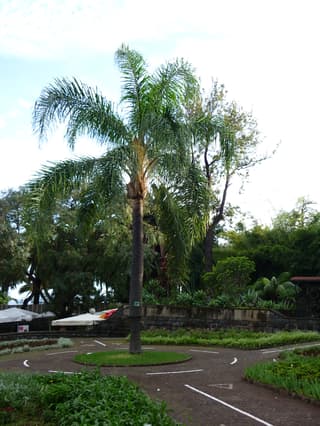
Syagrus romanzoffiana
Manganese Deficiency on Queen Palm: What to Know?
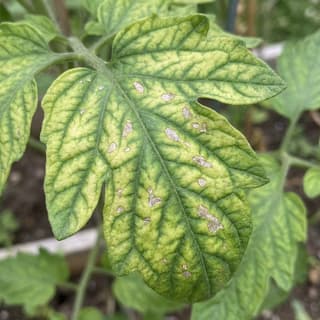
Manganese Deficiency on Queen Palm (Syagrus romanzoffiana) is a nutrient_deficiency condition with moderate severity. Queen Palm has moderate susceptibility to this disease. Manganese deficiency is a nutritional disorder that causes interveinal chlorosis in younger leaves, creating a distinctive chequered pattern. Unlike magnesium deficiency which affects older leaves fir...
Queen Palm is a easy-care plant. Recovery from Manganese Deficiency takes approximately 21 days with proper treatment.
🔍 What Does Manganese Deficiency Look Like on Queen Palm?
- • Interveinal chlorosis with smallest veins remaining green (chequered pattern)
- • Yellowing starts in younger leaves at top of plant
- • Brown spots may appear on leaf surfaces
- • Severely affected leaves turn brown and wither
- • Leaf curling in severe cases
- • Stunted growth
- • Small necrotic spots if deficiency persists
❓ What Causes Manganese Deficiency on Queen Palm?
- → Soil pH above 6.5 (alkaline conditions)
- → Poorly drained or waterlogged soils
- → High organic matter levels
- → Coarse soil texture
- → Cold soil temperatures
- → Excessive phosphorus or iron in soil
- → Sandy soils with low manganese content
💊 How to Treat Manganese Deficiency on Queen Palm?
TLDR: Treat Manganese Deficiency on Queen Palm with quick treatment (~11 days) or organic (~21 days). Queen Palm has moderate susceptibility to this disease.
Quick Fixes
Step 1
Apply manganese sulfate (MnSO4) as foliar spray at 0.5-1% solution
Step 2
Spray early morning or late evening to prevent leaf burn
Step 3
Repeat foliar application every 7-10 days for 3 weeks
Step 4
Apply chelated manganese (Mn-EDTA) to soil around root zone
Step 5
Water thoroughly after soil application
Organic Treatment
Step 1
Apply organic manganese sources like composted manure or kelp meal to soil
Step 2
Use manganese-rich amendments such as greensand (0.2% Mn) or granite dust
Step 3
Apply organic foliar spray with diluted kelp extract weekly for 3-4 weeks
Step 4
Incorporate well-aged compost with manganese-accumulating plants
Step 5
Adjust soil pH naturally using elemental sulfur if needed (target 5.5-6.5)
🛡️ How to Prevent Manganese Deficiency on Queen Palm?
TLDR: Prevent Manganese Deficiency on Queen Palm with 7 essential preventive care practices.
- ✓ Maintain soil pH between 5.5-6.5 for optimal manganese availability
- ✓ Improve soil drainage to prevent waterlogging
- ✓ Avoid over-liming soils
- ✓ Regular soil testing to monitor manganese levels
- ✓ Use balanced fertilizers containing micronutrients
- ✓ Improve soil structure with appropriate organic amendments
- ✓ Monitor younger leaves regularly for early detection
🌱 How to Care for Queen Palm to Prevent Manganese Deficiency?
💧 How to Water
Water every 7 to 14 days depending on season and climate. Allow the top 2-3 inches of soil to dry between waterings. Avoid waterlogged conditions as root rot is the most common problem. During hot summers, increase watering frequency slightly.
☀️ Lighting
Queen Palm requires full sun — at least 6 hours of direct sunlight daily. It does not tolerate low-light conditions and is not suitable as an indoor plant. In hotter climates, afternoon shade for young specimens can help establishment.
🪴 Ideal Soil
Prefers well-draining soil with a slightly acidic pH of 5.5–7.0. Sandy loam or loamy mixes with organic matter work best. Avoid alkaline soils as they cause severe micronutrient deficiencies, particularly manganese and magnesium.
Frequently asked questions
Can Manganese Deficiency kill my Queen Palm?
How long does Queen Palm take to recover from Manganese Deficiency?
Is Manganese Deficiency contagious to other plants near Queen Palm?
Sources & References
- Wikipedia - Manganese deficiency (plant)
- UC IPM - Manganese Deficiency
- Gardening Know How - Manganese in Plants
- Trifecta Natural - Manganese Deficiency
- Canna Gardening - Manganese Deficiency Guide
- Palmpedia - Syagrus romanzoffiana
- Monsteraholic - Queen Palm FAQs
- Greg App - Syagrus romanzoffiana Care