Moon Orchid with Manganese Deficiency? Rare but Treatable
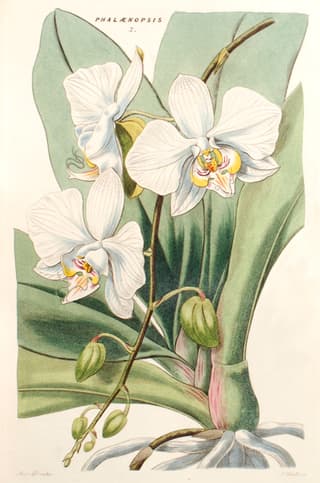
Phalaenopsis amabilis
Manganese Deficiency on Moon Orchid: What to Know?
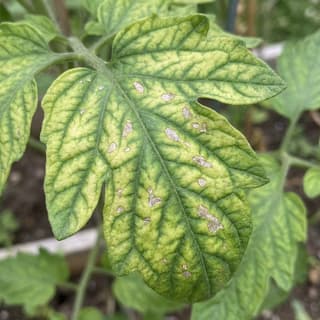
Manganese Deficiency on Moon Orchid (Phalaenopsis amabilis) is a nutrient_deficiency condition with moderate severity. Moon Orchid has low susceptibility to this disease. Manganese deficiency is a nutritional disorder that causes interveinal chlorosis in younger leaves, creating a distinctive chequered pattern. Unlike magnesium deficiency which affects older leaves fir...
Moon Orchid is a easy-care plant. Recovery from Manganese Deficiency takes approximately 21 days with proper treatment. As an indoor plant, ensure good ventilation to aid recovery.
Unlike most plants, Moon Orchid has natural resistance to Manganese Deficiency. Best treated with preventive measures rather than reactive treatment.
🔍 What Does Manganese Deficiency Look Like on Moon Orchid?
- • Interveinal chlorosis with smallest veins remaining green (chequered pattern)
- • Yellowing starts in younger leaves at top of plant
- • Brown spots may appear on leaf surfaces
- • Severely affected leaves turn brown and wither
- • Leaf curling in severe cases
- • Stunted growth
- • Small necrotic spots if deficiency persists
❓ What Causes Manganese Deficiency on Moon Orchid?
- → Soil pH above 6.5 (alkaline conditions)
- → Poorly drained or waterlogged soils
- → High organic matter levels
- → Coarse soil texture
- → Cold soil temperatures
- → Excessive phosphorus or iron in soil
- → Sandy soils with low manganese content
💊 How to Treat Manganese Deficiency on Moon Orchid?
TLDR: Treat Manganese Deficiency on Moon Orchid with quick treatment (~11 days) or organic (~21 days). Moon Orchid has low susceptibility to this disease.
Quick Fixes
Step 1
Apply manganese sulfate (MnSO4) as foliar spray at 0.5-1% solution
Step 2
Spray early morning or late evening to prevent leaf burn
Step 3
Repeat foliar application every 7-10 days for 3 weeks
Step 4
Apply chelated manganese (Mn-EDTA) to soil around root zone
Step 5
Water thoroughly after soil application
Organic Treatment
Step 1
Apply organic manganese sources like composted manure or kelp meal to soil
Step 2
Use manganese-rich amendments such as greensand (0.2% Mn) or granite dust
Step 3
Apply organic foliar spray with diluted kelp extract weekly for 3-4 weeks
Step 4
Incorporate well-aged compost with manganese-accumulating plants
Step 5
Adjust soil pH naturally using elemental sulfur if needed (target 5.5-6.5)
🛡️ How to Prevent Manganese Deficiency on Moon Orchid?
TLDR: Prevent Manganese Deficiency on Moon Orchid with 7 essential preventive care practices.
- ✓ Maintain soil pH between 5.5-6.5 for optimal manganese availability
- ✓ Improve soil drainage to prevent waterlogging
- ✓ Avoid over-liming soils
- ✓ Regular soil testing to monitor manganese levels
- ✓ Use balanced fertilizers containing micronutrients
- ✓ Improve soil structure with appropriate organic amendments
- ✓ Monitor younger leaves regularly for early detection
🌱 How to Care for Moon Orchid to Prevent Manganese Deficiency?
💧 How to Water
Water thoroughly when the potting medium is nearly dry, typically every 7-10 days. Use room temperature water and avoid letting the plant sit in standing water. Reduce watering in winter.
☀️ Lighting
Place in bright, indirect light - an east or west-facing window is ideal. Avoid direct sunlight which can burn the leaves. In winter, supplemental artificial light can encourage blooming.
🪴 Ideal Soil
Use a well-draining orchid mix consisting of bark chips, perlite, and sphagnum moss. The pH should be slightly acidic (5.5-6.5). Never use regular potting soil as it retains too much moisture.
Frequently asked questions
Can Manganese Deficiency kill my Moon Orchid?
How long does Moon Orchid take to recover from Manganese Deficiency?
Is Manganese Deficiency contagious to other plants near Moon Orchid?
Sources & References
- Wikipedia - Manganese deficiency (plant)
- UC IPM - Manganese Deficiency
- Gardening Know How - Manganese in Plants
- Trifecta Natural - Manganese Deficiency
- Canna Gardening - Manganese Deficiency Guide
- Phalaenopsis Culture Sheet - American Orchid Society
- Phalaenopsis amabilis (Moth Orchid) - Gardenia.net
- Care of Phalaenopsis Orchids - University of Maryland Extension
- Phalaenopsis amabilis - Wikipedia