Common Houseleek with Overfertilization? Rare but Treatable
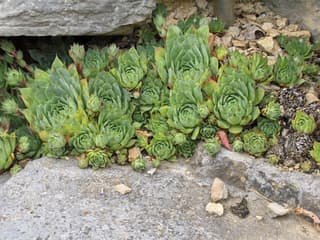
Sempervivum tectorum
Overfertilization on Common Houseleek: What to Know?
Overfertilization on Common Houseleek (Sempervivum tectorum) is a environmental condition with moderate severity. Common Houseleek has low susceptibility to this disease. Fertilizer burn is a condition caused by applying excessive fertilizer to plants. The salts in fertilizer draw moisture out of plant tissues, leading to scorched foliage, root damage, and overall plan...
Common Houseleek is a easy-care plant. Recovery from Overfertilization takes approximately 14 days with proper treatment. As an indoor plant, ensure good ventilation to aid recovery.
Unlike most plants, Common Houseleek has natural resistance to Overfertilization. Best treated with preventive measures rather than reactive treatment.
🔍 What Does Overfertilization Look Like on Common Houseleek?
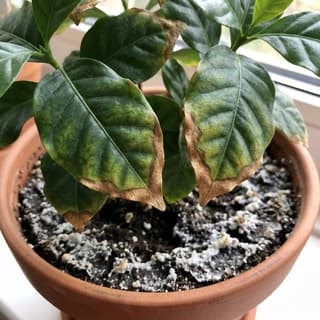
- • Yellowing or browning of leaf edges and tips
- • White, yellow or brown streaks following fertilizer application pattern
- • Wilting despite adequate watering
- • Leaves browning and collapsing from edges inward
- • White crusty salt buildup on soil surface
- • Stunted growth or excessive foliage with few flowers
- • Blackened or brown limp roots
- • General appearance of scorched or burned foliage
❓ What Causes Overfertilization on Common Houseleek?
- → Applying too much fertilizer at once
- → Using fertilizer that is too concentrated
- → Fertilizing during heat or drought stress
- → Applying fertilizer to dry soil
- → Getting fertilizer on plant leaves instead of soil
- → Not watering thoroughly after fertilizing
- → Accumulation of salts from repeated fertilization
- → Using fast-release fertilizers incorrectly
💊 How to Treat Overfertilization on Common Houseleek?
TLDR: Treat Overfertilization on Common Houseleek with quick treatment (~7 days) or organic (~14 days). Common Houseleek has low susceptibility to this disease.
Quick Fixes
Step 1
Immediately scrape away visible fertilizer from soil surface
Step 2
Flush container plants under running water for 5-10 minutes, ensuring drainage holes are clear
Step 3
For in-ground plants: flood area with water using sprinkler or hose for 15-20 minutes
Step 4
Remove and discard heavily damaged foliage to prevent disease spread
Step 5
Repeat flushing after 24 hours if soil still feels crusty or salty
Step 6
Stop all fertilization immediately
Organic Treatment
Step 1
Remove any visible fertilizer granules or salt crust from soil surface
Step 2
Flush soil thoroughly with room-temperature water to leach excess nutrients (for containers: run water through pot for 5-10 minutes; for in-ground: deep soak with soaker hose)
Step 3
Repeat flushing process every 2-3 days until plant shows improvement
Step 4
Prune severely damaged leaves (brown, crispy, or yellowing foliage) to redirect energy to healthy growth
Step 5
Allow soil to dry slightly between waterings to prevent root rot
Step 6
Monitor plant recovery and avoid fertilizing for 4-6 weeks
🛡️ How to Prevent Overfertilization on Common Houseleek?
TLDR: Prevent Overfertilization on Common Houseleek with 9 essential preventive care practices.
- ✓ Test soil before applying fertilizer to determine actual nutrient needs
- ✓ Always follow fertilizer package instructions for proper dosage
- ✓ Use slow-release fertilizers to reduce salt buildup risk
- ✓ Water plants thoroughly before and after fertilizing
- ✓ Apply fertilizer only to soil, not on leaves
- ✓ Use a broadcast spreader for even distribution in large areas
- ✓ Never fertilize plants stressed by heat or drought
- ✓ Reduce fertilizer frequency during dormant seasons
- ✓ Flush soil periodically to prevent salt accumulation
🌱 How to Care for Common Houseleek to Prevent Overfertilization?
💧 How to Water
Water sparingly, allowing soil to dry completely between waterings. In summer, water once every 2-3 weeks. Reduce to monthly or less in winter. Overwatering is the main killer - when in doubt, do not water.
☀️ Lighting
Requires full sun for best coloration and compact growth. At least 6 hours of direct sunlight daily. Can tolerate partial shade but may become leggy and lose vibrant colors. Provide afternoon shade in extremely hot climates.
🪴 Ideal Soil
Requires excellent drainage - use sandy, gravelly, or gritty soil. A cactus/succulent mix works well. Tolerates poor, rocky soils. Never use moisture-retentive potting mixes.
Frequently asked questions
Can Overfertilization kill my Common Houseleek?
How long does Common Houseleek take to recover from Overfertilization?
Is Overfertilization contagious to other plants near Common Houseleek?
Sources & References
- Over-Fertilized Plants: signs, treatment and prevention
- Too Much Fertilizer On Plants: Managing Fertilizer Burn In Gardens
- Fertilizer burn - Wikipedia
- Fertilizer Burn Repair Guide: How to Fix Fertilizer Burn
- Simple Steps to Correct and Prevent Over Fertilization
- Fertilizer Burn: Symptoms & Signs, How To Spot And Prevent
- 7 Signs You're Over-Fertilizing Your Houseplant & How to Fix It
- Common Cultural: Fertilizer burn
- How to Fix Fertilizer Burn on Plants