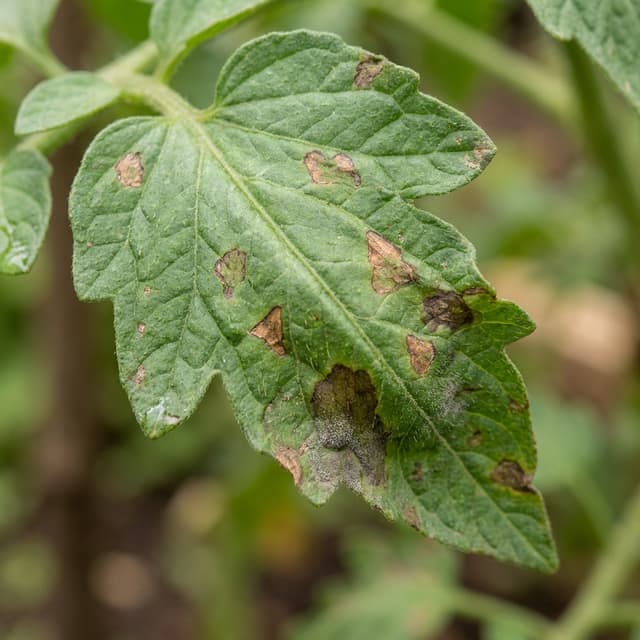
Passalora — Plant Disease
Passalora is a group of fungi that cause leaf spot and leaf mold diseases, best known on tomato (often called tomato leaf mold). These fungi thrive in warm, humid, poorly ventilated places. Early signs are pale or yellow patches on the upper side of leaves, with olive-brown to dark, velvety growth underneath. As it advances, leaves turn brown, curl, and drop, which weakens the plant and cuts yields. Besides tomato, some Passalora species can affect pepper and various ornamentals and houseplants. The fungi spread by tiny spores carried on wind, splashing water, tools, clothing, and hands.
What is Passalora Leaf Spot?
Passalora Leaf Spot is a fungal condition with moderate severity that affects plants. Passalora is a group of fungi that cause leaf spot and leaf mold diseases, best known on tomato (often called tomato leaf mold). These fungi thrive in warm, humid, poorly ventilated places. Early signs are pale or yellow patches on the upper side of leaves, with olive-brown to dark, velvety growth u...
Passalora Leaf Spot is a fungal disease with moderate severity. This condition is contagious and can spread between plants.
Unlike bacterial infections, Passalora Leaf Spot spreads slowly but is harder to eradicate. Without treatment, affected leaves won't recover. Without isolation, nearby plants can become infected within days.
🧪 Natural vs Chemical: Which Treatment Works for Passalora Leaf Spot?
🌱 Natural Solutions
- ✓ Improve airflow by spacing plants, staking or trellising, and pruning crowded or lower leaves.
- ✓ Reduce humidity by watering early at the base to keep leaves dry, ventilating greenhouses, and using fans or a dehumidifier if needed.
- ✓ Practice sanitation by promptly removing and binning heavily spotted leaves, avoiding composting unless the pile runs hot, cleaning pots, trays, and tools with a disinfectant, and rotating crops while avoiding planting tomato in the same bed each year.
- ✓ Optimize the environment by providing ample light, avoiding dense shade, and using mulch to limit soil splash.
- ✓ Apply biofungicides containing Bacillus amyloliquefaciens, Bacillus subtilis, or Trichoderma species as directed to help suppress leaf spot fungi.
- ✓ For potted plants, isolate affected plants, prune damaged foliage, repot if canopies are very dense, and improve room airflow.
💉 Chemical Solutions
- ✓ Use low-risk fungicides such as sulfur, potassium bicarbonate, copper soaps such as copper octanoate used sparingly, hydrogen peroxide and peroxyacetic acid mixes, and phosphite products such as potassium phosphite where permitted.
- ✓ Reapply as directed, rotate modes of action to reduce resistance, and avoid spraying in high heat or full sun to prevent leaf burn.
🛡️ How to Prevent Passalora Leaf Spot?
TLDR: Prevent Passalora Leaf Spot with 6 essential care practices. Regular monitoring is key for early detection.
- ✓ Choose resistant or tolerant tomato varieties when available.
- ✓ Keep foliage dry by watering at soil level and timing irrigation so leaves dry quickly.
- ✓ Maintain good spacing, perform regular pruning, and ensure strong airflow.
- ✓ Disinfect tools and greenhouse surfaces and quarantine new plants for 1-2 weeks.
- ✓ Rotate crops for 2-3 years and remove plant debris at the end of the season.
- ✓ Monitor weekly and remove first spots early to slow spread.
🔗Related Diseases
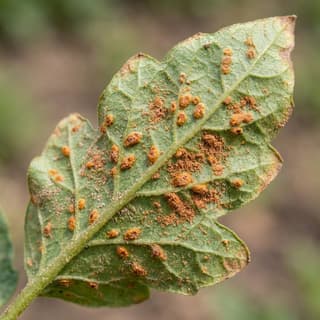
Rust
Rust fungi (Pucciniales) are fungal diseases that form rust-colored, usually orange to brown pustules with powdery spore dust on leaves, stems, or fruits. Typical symptoms include small spots that develop into cushions or rings; leaves turn yellow, curl, and drop prematurely. The fungi spread primarily in damp weather and dense foliage. Many ornamental and crop plants are affected, frequently including roses, mallows (hollyhocks), pears (pear rust), and currants. Some rust fungi require two host plants for their life cycle, such as pear and certain juniper species.
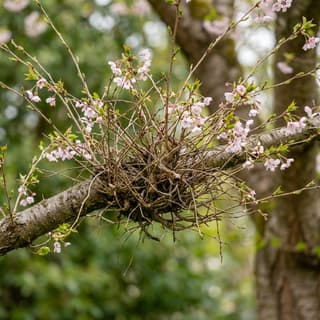
Cherry Witches' Broom
Taphrina wiesneri is a fungal disease affecting cherry trees (Prunus species, including sweet, sour, and ornamental varieties). The fungus overwinters in buds and bark, infecting young leaves and shoots during cool, wet spring weather. Infected leaves become thickened, puckered, and curled, often displaying reddish or yellow blotches and a fine whitish bloom on the surface. Severely affected leaves may drop prematurely. Small twigs can develop 'witches' brooms,' which are dense clusters of weak, distorted shoots.
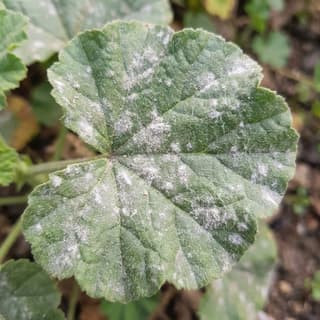
Powdery Mildew
MediumPowdery mildew is a common fungal disease caused by various fungi species including Erysiphe, Podosphaera, Oïdium, and Leveillula. It affects over 10,000 plant species worldwide. The disease thrives in warm, dry climates with high humidity and appears as a distinctive white powdery coating on plant surfaces.

Root Rot
HighRoot rot is a serious fungal disease that affects the root system of plants, causing them to decay and die. It is primarily caused by overwatering, poor drainage, or soil-borne fungi such as Pythium, Phytophthora, Rhizoctonia, and Fusarium. The disease thrives in waterlogged conditions where roots are deprived of oxygen, making them susceptible to fungal infection.