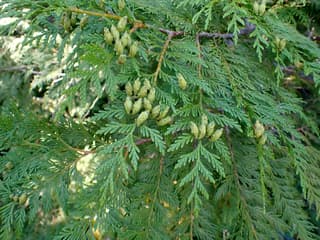
Western Red Cedar with Pestalotiopsis: Prevention & Cure
Thuja plicata
Pestalotiopsis on Western Red Cedar: What to Know?
Pestalotiopsis on Western Red Cedar (Thuja plicata) is a fungal condition with moderate severity. Western Red Cedar has moderate susceptibility to this disease. Pestalotiopsis is a group of fungi (now often placed in Neopestalotiopsis and related genera) that causes leaf spots and tip blight, especially on plants that are stressed or kept too wet. It shows up...
Western Red Cedar is a easy-care plant.
Unlike bacterial infections, Pestalotiopsis on Western Red Cedar can be managed with organic fungicides. Without precautions, chemical treatments for Pestalotiopsis can be harmful to pets. Use organic methods for Western Red Cedar in pet-friendly homes.
🛡️ How to Prevent Pestalotiopsis on Western Red Cedar?
TLDR: Prevent Pestalotiopsis on Western Red Cedar with 7 essential preventive care practices.
- ✓ Plant with adequate spacing and prune regularly to keep canopies open.
- ✓ Improve drainage and avoid chronic overwatering and waterlogged soil.
- ✓ Water early in the day and keep foliage as dry as possible.
- ✓ Sanitize by cleaning tools, removing leaf litter, and keeping beds tidy.
- ✓ Feed moderately and avoid heavy nitrogen that promotes soft disease prone growth.
- ✓ Buy healthy plants from reputable sources and isolate new plants for 2 to 3 weeks.
- ✓ Protect plants from winter injury, sunscald, and other stresses that increase susceptibility.
🌱 How to Care for Western Red Cedar to Prevent Pestalotiopsis?
💧 How to Water
Water regularly, keeping the soil consistently slightly moist—especially during the first 2 years after planting. Mature specimens can tolerate short periods of drought but do not tolerate prolonged soil drying. Avoid both overwatering and water stagnation. Mulching around the trunk is recommended to help retain moisture and protect the roots.
☀️ Lighting
The Western Red Cedar grows best in full sun (at least 6 hours a day) but also tolerates partial shade well. Avoid locations exposed to strong, dry winds or intense western sun during hot summers—high temperatures and drought are the main enemies of this species.
🪴 Ideal Soil
Prefers humus-rich, well-drained, but consistently moist soil—optimally sandy loam or fertile clay. It tolerates a wide pH range (5.5–7.5) and temporary flooding. It does not perform well in very dry, sandy, or poor soils. Annual organic mulching (bark, compost) around the root ball significantly improves the tree's condition.