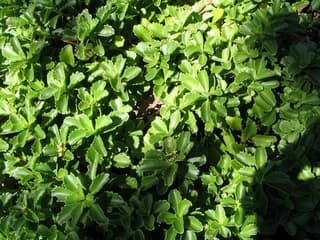
Kamchatka Stonecrop with Pestalotiopsis: Prevention & Cure
Phedimus kamtschaticus
Pestalotiopsis on Kamchatka Stonecrop: What to Know?
Pestalotiopsis on Kamchatka Stonecrop (Phedimus kamtschaticus) is a fungal condition with moderate severity. Kamchatka Stonecrop has moderate susceptibility to this disease. Pestalotiopsis is a group of fungi (now often placed in Neopestalotiopsis and related genera) that causes leaf spots and tip blight, especially on plants that are stressed or kept too wet. It shows up...
Kamchatka Stonecrop is a easy-care plant.
Unlike bacterial infections, Pestalotiopsis on Kamchatka Stonecrop can be managed with organic fungicides.
🛡️ How to Prevent Pestalotiopsis on Kamchatka Stonecrop?
TLDR: Prevent Pestalotiopsis on Kamchatka Stonecrop with 7 essential preventive care practices.
- ✓ Plant with adequate spacing and prune regularly to keep canopies open.
- ✓ Improve drainage and avoid chronic overwatering and waterlogged soil.
- ✓ Water early in the day and keep foliage as dry as possible.
- ✓ Sanitize by cleaning tools, removing leaf litter, and keeping beds tidy.
- ✓ Feed moderately and avoid heavy nitrogen that promotes soft disease prone growth.
- ✓ Buy healthy plants from reputable sources and isolate new plants for 2 to 3 weeks.
- ✓ Protect plants from winter injury, sunscald, and other stresses that increase susceptibility.
🌱 How to Care for Kamchatka Stonecrop to Prevent Pestalotiopsis?
💧 How to Water
Use the soak-and-dry method: water thoroughly until it drains from the bottom, then wait until the soil is completely dry before watering again — typically every 14 days in summer. In winter, reduce watering drastically as excess moisture can cause root rot during dormancy. Once established, this plant is extremely drought-tolerant and can survive months without supplemental water.
☀️ Lighting
Requires full sun — at least 6 hours of direct sunlight daily — for the most abundant flowering and compact growth. It tolerates partial shade but tends to become leggy and produce fewer flowers. Ideal for sunny borders, rock gardens, green roofs, and exposed slopes.
🪴 Ideal Soil
Thrives in poor, well-draining soils — sandy, gravelly, or amended with 50% coarse sand or perlite. Does not tolerate waterlogged or heavy clay soils, as excess moisture around roots causes crown and root rot. Ideal pH ranges from 6.0 to 8.0. No need for rich, fertile soil — it actually performs better in lean conditions.