Chinese Cabbage with Phosphorus Deficiency: Prevention & Cure
Brassica rapa pekinensis
Phosphorus Deficiency on Chinese Cabbage: What to Know?
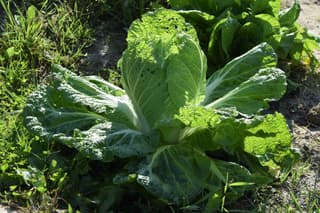
Phosphorus Deficiency on Chinese Cabbage (Brassica rapa pekinensis) is a nutrient_deficiency condition with moderate severity. Chinese Cabbage has moderate susceptibility to this disease. Phosphorus deficiency is a common nutritional problem that hinders healthy plant growth. Phosphorus is essential for root development, flowering, fruiting, and energy metabolism. When deficient, plant...
Chinese Cabbage is a easy-care plant. Recovery from Phosphorus Deficiency takes approximately 14 days with proper treatment. As an indoor plant, ensure good ventilation to aid recovery.
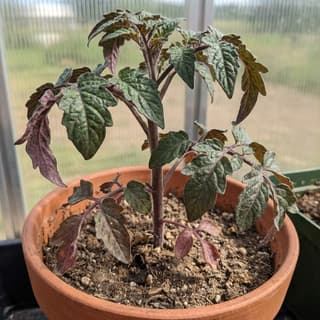
🔍 What Does Phosphorus Deficiency Look Like on Chinese Cabbage?
- • Purple or reddish discoloration on leaves, especially on lower/older leaves
- • Dark blue-green or dull green leaf color
- • Stunted growth with plants shorter than normal
- • Smaller leaves that may appear deformed
- • Weak or spindly stems
- • Reduced flowering and fruiting
- • Pale leaves in severe cases
❓ What Causes Phosphorus Deficiency on Chinese Cabbage?
- → Cold soil temperatures (below 15°C/59°F) that inhibit phosphorus uptake
- → Soil pH too high (above 7) or too low (below 6)
- → Poor soil drainage and compaction
- → Excessive iron in soil interfering with phosphorus absorption
- → Phosphorus-poor or nutrient-depleted soil
- → Rapid growth during high-demand periods
💊 How to Treat Phosphorus Deficiency on Chinese Cabbage?
TLDR: Treat Phosphorus Deficiency on Chinese Cabbage with quick treatment (~7 days) or organic (~14 days). Chinese Cabbage has moderate susceptibility to this disease.
Quick Fixes
Step 1
Identify severity of deficiency through leaf symptoms (purple/dark coloration)
Step 2
Apply water-soluble phosphorus fertilizer immediately for rapid uptake
Step 3
Use foliar spray with diluted phosphoric acid or liquid fertilizer for fastest results
Step 4
Apply triple superphosphate (0-46-0) or DAP near root zone if using granular
Step 5
Water thoroughly after application to activate nutrients
Step 6
Reapply foliar treatment every 7-10 days until symptoms resolve
Organic Treatment
Step 1
Conduct soil test to assess pH and phosphorus levels before treatment
Step 2
Apply bone meal (15% phosphorus) at planting time - works within 2-14 days
Step 3
Mix 2-3 lbs bone meal per 100 sq ft into topsoil around affected plants
Step 4
Alternatively, use rock phosphate for long-term improvement (best in acidic soils)
Step 5
Add compost or well-aged manure to improve soil structure and microbial activity
Step 6
Monitor plant response over 2-3 weeks for signs of recovery
🛡️ How to Prevent Phosphorus Deficiency on Chinese Cabbage?
TLDR: Prevent Phosphorus Deficiency on Chinese Cabbage with 6 essential preventive care practices.
- ✓ Maintain soil pH between 6 and 7 for optimal phosphorus uptake
- ✓ Conduct regular soil testing to monitor nutrient levels
- ✓ Ensure good drainage and avoid soil compaction
- ✓ Add organic matter to soil to improve nutrient availability
- ✓ Avoid planting when soil is too cold
- ✓ Use mulch to regulate soil temperature
🌱 How to Care for Chinese Cabbage to Prevent Phosphorus Deficiency?
💧 How to Water
Water every 2–3 days to keep the soil consistently moist but never waterlogged. Mulching around the base helps retain soil moisture and regulate temperature. Avoid overhead watering to reduce the risk of fungal diseases.
☀️ Lighting
Chinese Cabbage requires at least 6 hours of direct sunlight daily for optimal head formation. In hot climates, partial afternoon shade can prevent bolting. Indoors, place near a south-facing window or under bright grow lights.
🪴 Ideal Soil
Plant in rich, loamy, well-draining soil with a pH of 6.0–7.5. Amend with generous amounts of compost or aged manure before planting. Avoid compacted or waterlogged soils, which promote root diseases.
Frequently asked questions
Can Phosphorus Deficiency kill my Chinese Cabbage?
How long does Chinese Cabbage take to recover from Phosphorus Deficiency?
Is Phosphorus Deficiency contagious to other plants near Chinese Cabbage?
Sources & References
- How to Fix Purple Leaves Caused by Phosphorus Deficiency - Today's Homeowner
- Phosphorus Deficiency in Plants - How to Fix? - Haifa Group
- Phosphorus deficiency - UC IPM
- How to identify phosphorus nutrient deficiency in plants - Bluelab
- Gardenia.net - Chinese Cabbage Care
- NC State Extension - Brassica rapa Pekinensis Group
- Greg App - Napa Cabbage Care