Phyllosticta Leaf Spot: Fungal Disease | Treatment Guide
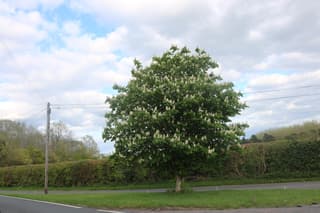
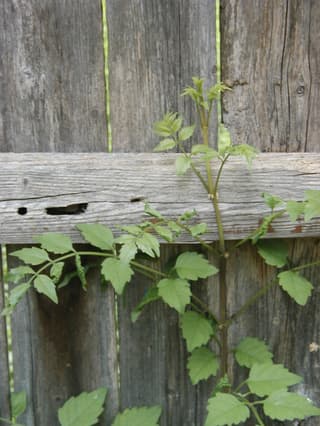
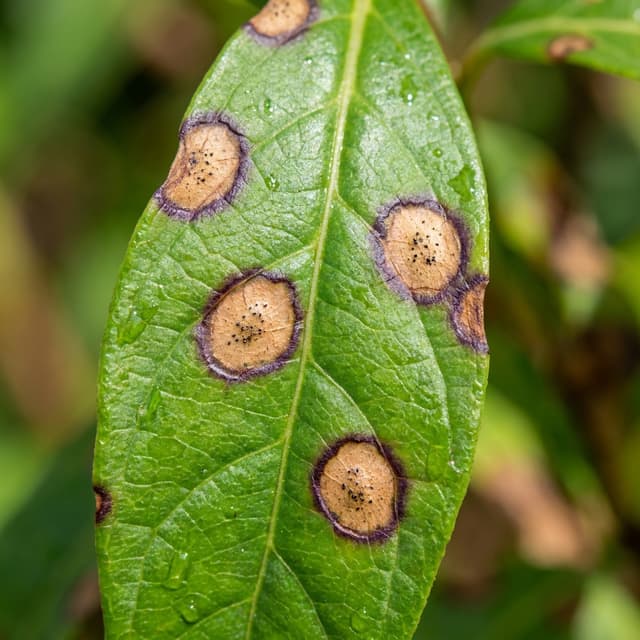
Phyllosticta is a genus of fungi responsible for leaf spot diseases in a wide range of garden and indoor plants. These pathogens thrive in warm, humid conditions, spreading primarily through water splash and prolonged leaf wetness. Symptoms typically include small, circular lesions that transition from tan or light brown to having distinct dark brown or black margins. As the disease progresses, these spots may coalesce, leading to chlorosis (yellowing) and premature abscission (leaf drop). Characteristic pycnidia—tiny, black, pinhead-sized fruiting bodies—often develop within the lesions. Phyllosticta commonly affects ornamentals like hydrangeas, irises, peonies, lilacs, maples, and roses, as well as citrus and various fruit trees.
What is Phyllosticta Leaf Spot?
Phyllosticta Leaf Spot is a fungal condition with moderate severity that affects plants. Phyllosticta is a genus of fungi responsible for leaf spot diseases in a wide range of garden and indoor plants. These pathogens thrive in warm, humid conditions, spreading primarily through water splash and prolonged leaf wetness. Symptoms typically include small, circular lesions that transition f...
Phyllosticta Leaf Spot is a fungal disease with moderate severity. It affects 4 plant species in our database. This condition is contagious and can spread between plants.
Unlike bacterial infections, Phyllosticta Leaf Spot spreads slowly but is harder to eradicate. Without treatment, affected leaves won't recover. Without isolation, nearby plants can become infected within days.
🧪 Natural vs Chemical: Which Treatment Works for Phyllosticta Leaf Spot?
🌱 Natural Solutions
- ✓ Remove and bag infected leaves; only compost them in high-temperature systems that can kill fungal spores.
- ✓ Rake and dispose of all fallen foliage around the base of the plants.
- ✓ Prune the canopy to improve ventilation and maintain proper spacing to prevent overcrowding.
- ✓ Apply water directly to the soil at the base of the plant; if overhead watering is necessary, do so early to allow foliage to dry quickly.
- ✓ For indoor plants, provide bright light and good air circulation, avoid misting symptomatic plants, and isolate them from healthy specimens.
- ✓ Disinfect pruning tools between plants using 70% isopropyl alcohol or a 10% bleach solution (rinse and dry after use).
- ✓ Apply mulch to outdoor beds to minimize soil splashing and improve drainage or repot if the substrate remains saturated for too long.
- ✓ Excise heavily infected foliage; in severe cases, prune back to healthy tissue.
💉 Chemical Solutions
- ✓ Apply a fungicide specifically labeled for leaf spot on the target plant species if cultural controls are insufficient.
- ✓ Utilize copper-based fungicides, such as copper soap or copper hydroxide, according to label instructions for leaf spot management.
- ✓ Apply sulfur-based products only to plants explicitly listed as sulfur-tolerant on the product label.
- ✓ Incorporate biofungicides containing Bacillus subtilis, Bacillus amyloliquefaciens, or Trichoderma species.
- ✓ Use phosphite-based fungicides, such as potassium phosphite or phosphorous acid, as preventative treatments.
- ✓ Conduct a phytotoxicity test on a small area before full application, avoid spraying during high temperatures, and adhere to pre-harvest intervals (PHI) for edible crops.
- ✓ Do not mix sulfur with oil-based products or apply them within two weeks of each other to avoid plant injury.
🛡️ How to Prevent Phyllosticta Leaf Spot?
TLDR: Prevent Phyllosticta Leaf Spot with 7 essential care practices. Regular monitoring is key for early detection.
- ✓ Quarantine new plants for 2–3 weeks and inspect them regularly for signs of infection.
- ✓ Irrigate early in the day and minimize leaf wetness; avoid frequent, light overhead misting.
- ✓ Ensure adequate plant spacing, perform routine pruning to improve airflow, and keep the area clear of leaf litter.
- ✓ Avoid excessive nitrogen fertilization, which promotes succulent growth that is more susceptible to infection.
- ✓ Select resistant or less-susceptible cultivars whenever possible.
- ✓ Sanitize pots and trays before reuse, and never reuse contaminated potting media.
- ✓ Remove and dispose of fallen leaves and debris during the dormant season to reduce the primary inoculum for the following year.
🔗Related Diseases
Rust
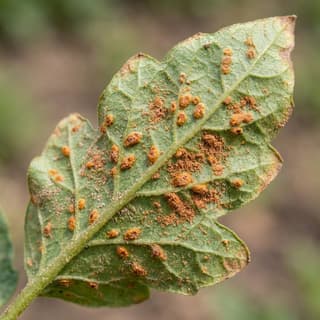
Rust fungi (Pucciniales) are fungal diseases that form rust-colored, usually orange to brown pustules with powdery spore dust on leaves, stems, or fruits. Typical symptoms include small spots that develop into cushions or rings; leaves turn yellow, curl, and drop prematurely. The fungi spread primarily in damp weather and dense foliage. Many ornamental and crop plants are affected, frequently including roses, mallows (hollyhocks), pears (pear rust), and currants. Some rust fungi require two host plants for their life cycle, such as pear and certain juniper species.
Cherry Witches' Broom
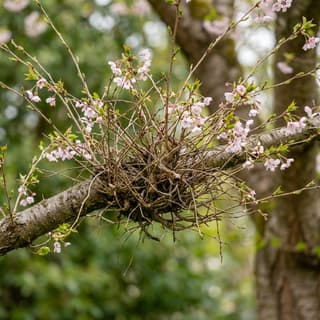
Taphrina wiesneri is a fungal disease affecting cherry trees (Prunus species, including sweet, sour, and ornamental varieties). The fungus overwinters in buds and bark, infecting young leaves and shoots during cool, wet spring weather. Infected leaves become thickened, puckered, and curled, often displaying reddish or yellow blotches and a fine whitish bloom on the surface. Severely affected leaves may drop prematurely. Small twigs can develop 'witches' brooms,' which are dense clusters of weak, distorted shoots.
Powdery Mildew
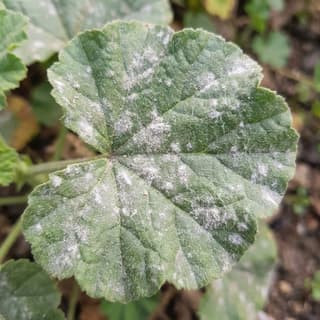
MediumPowdery mildew is a common fungal disease caused by various fungi species including Erysiphe, Podosphaera, Oïdium, and Leveillula. It affects over 10,000 plant species worldwide. The disease thrives in warm, dry climates with high humidity and appears as a distinctive white powdery coating on plant surfaces.
Root Rot
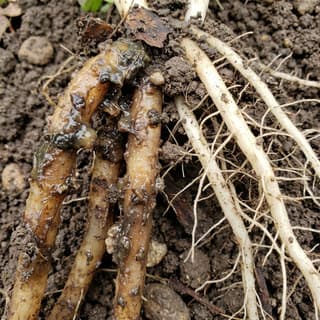
HighRoot rot is a serious fungal disease that affects the root system of plants, causing them to decay and die. It is primarily caused by overwatering, poor drainage, or soil-borne fungi such as Pythium, Phytophthora, Rhizoctonia, and Fusarium. The disease thrives in waterlogged conditions where roots are deprived of oxygen, making them susceptible to fungal infection.