Phytophthora Root Rot: Fungal Disease | Treatment Guide
Disease caused by fungus-like organisms (oomycetes) that live in soil and can survive for years. It affects roots, stem, and crown of plants, being especially severe in waterlogged or poorly drained soils. It is the second most common cause of root rot in trees and shrubs.
Medium
45 days
What is Phytophthora Root Rot?
Phytophthora Root Rot is a fungal condition with high severity that affects plants. Disease caused by fungus-like organisms (oomycetes) that live in soil and can survive for years. It affects roots, stem, and crown of plants, being especially severe in waterlogged or poorly drained soils. It is the second most common cause of root rot in trees and shrubs.
Phytophthora Root Rot is a fungal disease with high severity that spreads at a moderate rate. Recovery typically takes approximately 45 days with proper treatment. It affects 10 plant species in our database. This condition is contagious and can spread between plants.
Unlike bacterial infections, Phytophthora Root Rot spreads slowly but is harder to eradicate. Without treatment, affected leaves won't recover. Not recommended to ignore early signs. Without early intervention, recovery can take twice as long. Without isolation, nearby plants can become infected within days.
🔍 What Are the Symptoms of Phytophthora Root Rot?
TLDR: Phytophthora Root Rot presents 10 main symptoms. Early identification is crucial for effective treatment.
Main Symptoms
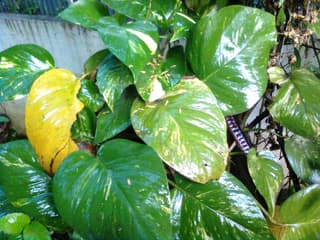
- ! Leaf wilting despite moist soil
- ! Yellowing or discolored foliage (dull green, yellow, red, purplish)
- ! Sparse foliage and progressive branch dieback
- ! Gradual color decline in conifers (vibrant green → dull green → gray → brown)
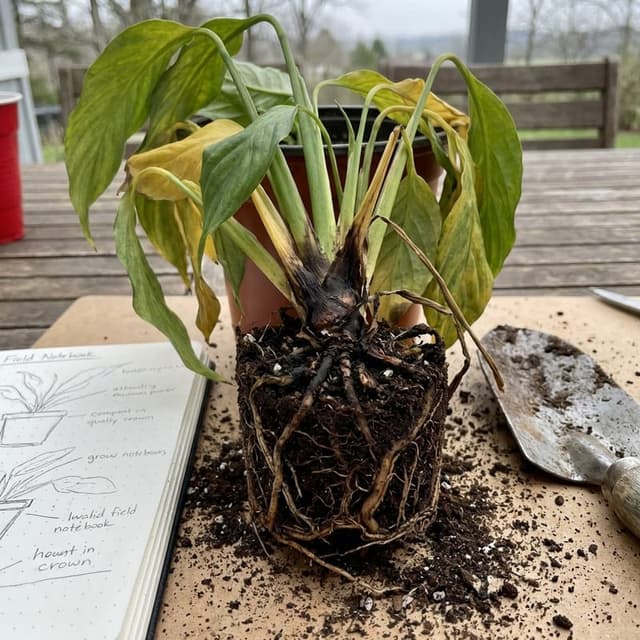
- ! Darkened bark around crown and upper roots
- ! Reddish-brown streaks in inner bark and outer wood layer
- ! Dark sap or gum oozing from diseased trunk areas
- ! Water-soaked spots turning brown on stems
- ! Poor root system with blackened, soft roots that break easily
- ! Inverted V-shaped discoloration pattern at stem base
Visual Signs
❓ What Causes Phytophthora Root Rot in Plants?
- → Heavy, compacted, or waterlogged soil
- → Inadequate drainage and standing water around base
- → Prolonged over-irrigation
- → Planting too deep or covering plant crown
- → Soil saturation for 4-8 hours (sufficient for infection)
- → Warm/mild temperatures combined with moist soil
- → Movement of contaminated soil, water, or plants
- → Un-sanitized tools and equipment
- → Purchase of infected nursery stock
💊 How to Treat Phytophthora Root Rot?
TLDR: Treat Phytophthora Root Rot with 23 days of quick treatment or 45 days of organic treatment. Full recovery takes approximately 45 days.
Quick Fixes
~23 days
Expose plant base by removing soil to main roots
Allow area to dry completely
Apply phosphorous acid-based systemic fungicide as foliar spray
Products like fosetyl-al (Aliette)
Apply mefenoxam to soil around base
Follow label dosage
Fix irrigation system to avoid wetting trunk
Adjust sprinklers and drip emitters
Reapply foliar fungicide after 2-3 weeks
During active growth period
Monitor symptoms weekly
Observe progression or stabilization
Materials needed:
Organic Treatment
~45 days
Expose plant base by removing soil down to main roots
Allow crown tissue to air-dry completely
Improve drainage by creating mound or installing drainage system
Raise planting area 8-12 inches for trees
Apply composted hardwood bark and gypsum around base
Use 15-25 lbs gypsum per 100 sq ft
Add fresh tree chip mulch
Promotes beneficial Phytophthora-suppressive organisms
Apply biological product with Trichoderma spp.
Follow manufacturer instructions
Adjust irrigation to water only at dripline
Never wet trunk or base
Monitor recovery weekly
Observe new foliage and vigor
Materials needed:
Expert Treatment
~68 days
Confirm diagnosis with laboratory testing
Methods: baiting, agar culture, PCR, or field serological kit
Make shallow bark incision to assess lesion extent
Look for dull reddish-brown cambium discoloration
Carefully remove outer bark to map lesions
Document percentage of circumference affected
If lesion < 1/4 circumference: expose base and crown by removing soil to main roots
Allow tissue to air-dry for several days
If lesion > 1/4 circumference: assess economic viability of treatment vs. removal
Young plants: usually remove; mature valuable trees: attempt treatment
Install professional drainage system or regrade area
Break hardpan, install drain tiles if needed
Build raised mound (24 inches for valuable trees)
Use fresh, well-draining soil
Incorporate composted bark (20-30% by volume) and gypsum into substrate
Promotes biological suppression
Apply high-quality biological product (Trichoderma harzianum T-22)
Apply directly to exposed roots and substrate
Apply mefenoxam soil drench
High rate within label range
Apply phosphite-based foliar fungicide
Bidirectional systemic action
Redesign irrigation system: drip emitters only at dripline
Update annually as tree grows
Install soil moisture sensors for precise monitoring
Prevent under or over-irrigation
Reapply mefenoxam after 60 days
During active growth period
Reapply foliar phosphite every 3-4 weeks (3-4 applications)
Maintain protection during critical period
Reapply biological product monthly
Establish suppressive population
Professional bi-weekly monitoring
Assess using 5-tier scale (Excellent to Poor)
Adjust fertilization: avoid excess N, maintain adequate P and K
Excess N promotes susceptible tissues
Ensure adequate spacing and prune for air circulation
Allows rapid foliage drying
Disinfect all tools after each use
10% bleach solution or peroxide-based products
Step by Step
- 1
1. Confirm diagnosis: observe distribution pattern of affected plants in low areas with water accumulation
- 2
2. Examine roots: look for discolored cambium with dull reddish-brown color
- 3
3. Remove infected plants immediately from production
- 4
4. Fix drainage: install tiles, create raised beds, or regrade problem areas
- 5
5. Expose plant base: remove soil around base to main roots, allow crown tissue to dry completely
- 6
6. Adjust irrigation: water only at dripline, avoid wetting trunk/stem
- 7
7. Assess lesions: plants with lesions exceeding 1/4 circumference rarely recover
- 8
8. Disinfect equipment: use bleach solutions or peroxide-based products
- 9
9. Treat irrigation water if from suspect sources
- 10
10. Apply preventative fungicides during active growth if economic loss is significant
- 11
11. Scout regularly for early symptom detection
- 12
12. Space plantings appropriately for air circulation and rapid drying
🧪 Natural vs Chemical: Which Treatment Works for Phytophthora Root Rot?
🌱 Natural Solutions
- ✓ Remove soil around base down to main roots and allow crown tissue to dry
- ✓ Water only at dripline (canopy edge)
- ✓ Add composted hardwood bark and gypsum (15-25 lbs per 100 sq ft) to create Phytophthora-suppressive soil
- ✓ Apply fresh tree chip mulch to promote beneficial biological control organisms
- ✓ Use biological products containing Trichoderma, Bacillus, Pseudomonas, or Streptomyces
- ✓ Remove and destroy severely affected plants where disease is localized
- ✓ Replace soil from affected root zones with fresh topsoil
- ✓ Sterilize containers with steam (140°F for 30 min) or hot water (180°F for 30 min)
- ✓ Improve soil aeration with organic matter
- ✓ Avoid excessive nitrogen fertilization
💉 Chemical Solutions
- ✓ Fosetyl-al (Aliette) - preventative foliar application
- ✓ Phosphorous acid-based products - bidirectional plant movement
- ✓ Mefenoxam or metalaxyl - soil application, root-to-shoot movement only
- ✓ Copper compounds (Bordeaux mixture, copper hydroxide) - contact fungicide
- ✓ Chlorothalonil or mancozeb - prevent spore germination
- ✓ Note: fungicides only prevent infection or slow colonization, do not eliminate established pathogen
Treatment Comparison
| Type | Estimated time | Steps | Difficulty | Best For |
|---|---|---|---|---|
| ⚡Quick | ~23 days | 6 | Advanced | Urgent cases |
| 🌿Organic | ~45 days | 7 | Advanced | Indoor plants |
| 🔬Expert | ~68 days | 20 | Advanced | Severe infections |
🛡️ How to Prevent Phytophthora Root Rot?
TLDR: Prevent Phytophthora Root Rot with 14 essential care practices. Regular monitoring is key for early detection.
- ✓ Significantly improve soil drainage before planting
- ✓ Plant on raised mounds (8-12 inches for trees, 8-10 inches for shrubs)
- ✓ Avoid prolonged soil saturation; allow top layer to dry between waterings
- ✓ Never plant deeper than nursery depth; do not cover graft union
- ✓ Adjust sprinklers to avoid wetting trunk; position drip emitters away from base
- ✓ Avoid volcano mulching around stem
- ✓ Select certified stock and resistant varieties
- ✓ Inspect root system before purchase; avoid severely pot-bound plants
- ✓ Do not install irrigated turf around tree bases
- ✓ Break through compacted soil layers (hardpan) before planting
- ✓ Group plants by irrigation needs
- ✓ Avoid replanting susceptible species for 1-2 seasons after infection
- ✓ Redirect drainage water away from healthy plants
- ✓ Clean tools and equipment regularly
🔗Related Diseases
Rust
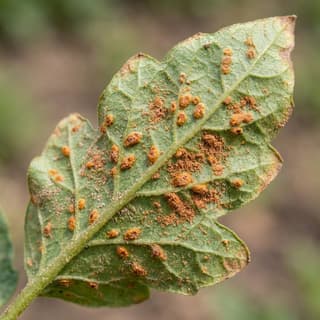
Rust fungi (Pucciniales) are fungal diseases that form rust-colored, usually orange to brown pustules with powdery spore dust on leaves, stems, or fruits. Typical symptoms include small spots that develop into cushions or rings; leaves turn yellow, curl, and drop prematurely. The fungi spread primarily in damp weather and dense foliage. Many ornamental and crop plants are affected, frequently including roses, mallows (hollyhocks), pears (pear rust), and currants. Some rust fungi require two host plants for their life cycle, such as pear and certain juniper species.
Cherry Witches' Broom
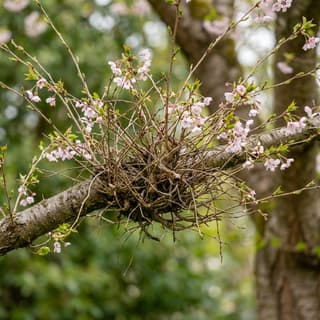
Taphrina wiesneri is a fungal disease affecting cherry trees (Prunus species, including sweet, sour, and ornamental varieties). The fungus overwinters in buds and bark, infecting young leaves and shoots during cool, wet spring weather. Infected leaves become thickened, puckered, and curled, often displaying reddish or yellow blotches and a fine whitish bloom on the surface. Severely affected leaves may drop prematurely. Small twigs can develop 'witches' brooms,' which are dense clusters of weak, distorted shoots.
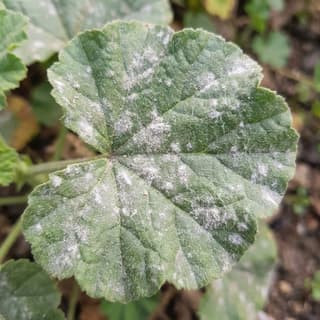
Powdery Mildew
MediumPowdery mildew is a common fungal disease caused by various fungi species including Erysiphe, Podosphaera, Oïdium, and Leveillula. It affects over 10,000 plant species worldwide. The disease thrives in warm, dry climates with high humidity and appears as a distinctive white powdery coating on plant surfaces.

Root Rot
HighRoot rot is a serious fungal disease that affects the root system of plants, causing them to decay and die. It is primarily caused by overwatering, poor drainage, or soil-borne fungi such as Pythium, Phytophthora, Rhizoctonia, and Fusarium. The disease thrives in waterlogged conditions where roots are deprived of oxygen, making them susceptible to fungal infection.