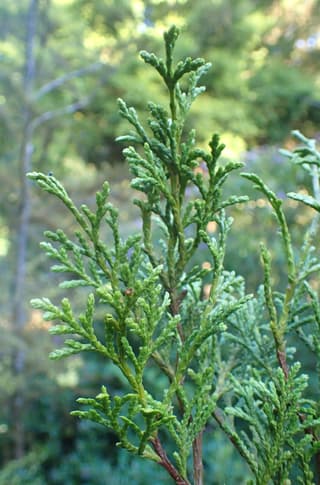
New Zealand Cedar with Phytophthora: Prevention & Cure
Libocedrus bidwillii
Phytophthora on New Zealand Cedar: What to Know?
Phytophthora on New Zealand Cedar (Libocedrus bidwillii) is a other condition with moderate severity. New Zealand Cedar has moderate susceptibility to this disease. The Phytophthora genus consists of soil-borne oomycetes (water molds) that act as plant pathogens, primarily affecting trees and woody plants. It typically spreads through the root system, leading to...
New Zealand Cedar is a medium-care plant.
🛡️ How to Prevent Phytophthora on New Zealand Cedar?
TLDR: Prevent Phytophthora on New Zealand Cedar with 5 essential preventive care practices.
- ✓ Ensure proper soil drainage to prevent waterlogging and saturated conditions.
- ✓ Utilize resistant species and cultivars, and ensure all seeds and seedlings are healthy and certified disease-free.
- ✓ Implement crop rotation and avoid planting susceptible crops in soil known to be infested with Phytophthora.
- ✓ Apply preventative chemical treatments if necessary, such as copper-based sprays or phosphonates, though be mindful that over-reliance can lead to resistant strains.
- ✓ Sanitize tools, pots, and hands thoroughly to prevent the transmission of the pathogen.
🌱 How to Care for New Zealand Cedar to Prevent Phytophthora?
💧 How to Water
Keep the soil consistently moist but well-drained, especially during the first years of establishment. In climates with regular rainfall (over 1,000 mm annually), it rarely needs supplemental watering once established. During dry periods, water deeply every 7–10 days. Avoid waterlogging, which promotes root rot.
☀️ Lighting
Prefers full sun or filtered partial shade. In its natural habitat, it grows under the influence of frequent clouds and fog. In warmer or drier regions, it appreciates some protection from direct sun during the central hours of the day to avoid heat stress. It tolerates exposure to cold winds well, but not dry, hot winds.
🪴 Ideal Soil
Thrives in deep, organic, humus-rich soils with excellent drainage. The ideal pH is between 5.0 and 6.5 (slightly acidic). It naturally grows in volcanic and podzolized soils saturated with moisture but not waterlogged. Add organic matter and mulch to replicate the conditions of New Zealand subalpine forests. Avoid alkaline or compacted clay soils.