
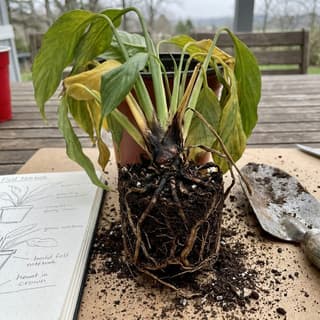
California bay laurel Prone to Phytophthora Root Rot: How to Protect
Umbellularia californica
Phytophthora Root Rot on California bay laurel: What to Know?
Phytophthora Root Rot on California bay laurel (Umbellularia californica) is a other condition with moderate severity. California bay laurel has high susceptibility to this disease. The Phytophthora genus consists of soil-borne oomycetes (water molds) that act as plant pathogens, primarily affecting trees and woody plants. It typically spreads through the root system, leading to...
California bay laurel is a easy-care plant.
California bay laurel is highly susceptible to Phytophthora Root Rot, unlike most plants in the same family.
🛡️ How to Prevent Phytophthora Root Rot on California bay laurel?
TLDR: Prevent Phytophthora Root Rot on California bay laurel with 5 essential preventive care practices.
- ✓ Ensure proper soil drainage to prevent waterlogging and saturated conditions.
- ✓ Utilize resistant species and cultivars, and ensure all seeds and seedlings are healthy and certified disease-free.
- ✓ Implement crop rotation and avoid planting susceptible crops in soil known to be infested with Phytophthora.
- ✓ Apply preventative chemical treatments if necessary, such as copper-based sprays or phosphonates, though be mindful that over-reliance can lead to resistant strains.
- ✓ Sanitize tools, pots, and hands thoroughly to prevent the transmission of the pathogen.
🌱 How to Care for California bay laurel to Prevent Phytophthora Root Rot?
💧 How to Water
Water regularly during the first two years to establish the roots. Once established, it is drought-tolerant: water deeply every 1-2 weeks during dry periods and allow the soil to partially dry out between waterings to prevent root rot.
☀️ Lighting
Thrives in full sun (6 or more hours daily), which ensures a dense canopy and abundant flowering. It tolerates partial shade but does not grow well in deep shade.
🪴 Ideal Soil
Adapts to sandy, loamy, or clay-loam soils, provided they have good drainage. Prefers a slightly acidic to neutral pH (5.5 to 7.5). Avoid waterlogged soils for long periods.