Floss Flower with Phytophthora Root Rot? Rare but Treatable
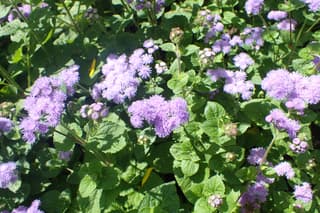
Ageratum houstonianum
Phytophthora Root Rot on Floss Flower: What to Know?
Phytophthora Root Rot on Floss Flower (Ageratum houstonianum) is a other condition with moderate severity. Floss Flower has low susceptibility to this disease. The Phytophthora genus consists of soil-borne oomycetes (water molds) that act as plant pathogens, primarily affecting trees and woody plants. It typically spreads through the root system, leading to...
Floss Flower is a easy-care plant.
Unlike most plants, Floss Flower has natural resistance to Phytophthora Root Rot. Best treated with preventive measures rather than reactive treatment.
🛡️ How to Prevent Phytophthora Root Rot on Floss Flower?
TLDR: Prevent Phytophthora Root Rot on Floss Flower with 5 essential preventive care practices.
- ✓ Ensure proper soil drainage to prevent waterlogging and saturated conditions.
- ✓ Utilize resistant species and cultivars, and ensure all seeds and seedlings are healthy and certified disease-free.
- ✓ Implement crop rotation and avoid planting susceptible crops in soil known to be infested with Phytophthora.
- ✓ Apply preventative chemical treatments if necessary, such as copper-based sprays or phosphonates, though be mindful that over-reliance can lead to resistant strains.
- ✓ Sanitize tools, pots, and hands thoroughly to prevent the transmission of the pathogen.
🌱 How to Care for Floss Flower to Prevent Phytophthora Root Rot?
💧 How to Water
Water at the base of the plant approximately once a week, providing about 2.5 cm (1 inch) of water. Ageratums have shallow roots and can wilt quickly in dry spells, so keep soil evenly moist but never waterlogged. Always water at ground level to keep foliage dry and prevent fungal diseases.
☀️ Lighting
Plant in a location that receives at least 6 hours of direct sunlight daily for the best flower production. In regions with intense summer heat, light afternoon shade will protect the foliage from scorching without significantly reducing bloom quantity.
🪴 Ideal Soil
Use rich, well-draining soil amended with compost or organic matter. Ageratum is adaptable to a wide pH range (6.0–7.5) and is not fussy about soil type as long as drainage is good. Mulching around the base helps retain moisture and keeps roots cool.