Queen's Tears Prone to Phytophthora: How to Protect
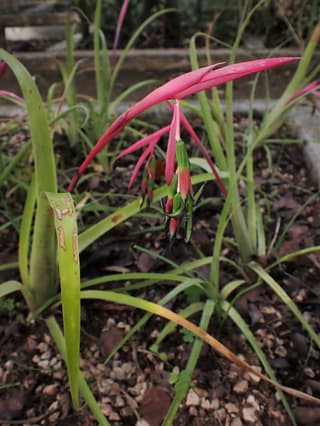
Billbergia nutans
Phytophthora on Queen's Tears: What to Know?
Phytophthora on Queen's Tears (Billbergia nutans) is a other condition with moderate severity. Queen's Tears has high susceptibility to this disease. The Phytophthora genus consists of soil-borne oomycetes (water molds) that act as plant pathogens, primarily affecting trees and woody plants. It typically spreads through the root system, leading to...
Queen's Tears is a easy-care plant. As an indoor plant, ensure good ventilation to aid recovery.
Queen's Tears is highly susceptible to Phytophthora, unlike most plants in the same family.
🛡️ How to Prevent Phytophthora on Queen's Tears?
TLDR: Prevent Phytophthora on Queen's Tears with 5 essential preventive care practices.
- ✓ Ensure proper soil drainage to prevent waterlogging and saturated conditions.
- ✓ Utilize resistant species and cultivars, and ensure all seeds and seedlings are healthy and certified disease-free.
- ✓ Implement crop rotation and avoid planting susceptible crops in soil known to be infested with Phytophthora.
- ✓ Apply preventative chemical treatments if necessary, such as copper-based sprays or phosphonates, though be mindful that over-reliance can lead to resistant strains.
- ✓ Sanitize tools, pots, and hands thoroughly to prevent the transmission of the pathogen.
🌱 How to Care for Queen's Tears to Prevent Phytophthora?
💧 How to Water
Water every 7 days, allowing the substrate to dry slightly between waterings. Keep a small amount of water in the central cup (natural vase) but flush it weekly to prevent rot. Reduce watering in autumn and winter.
☀️ Lighting
Prefers bright indirect light or partial shade. Avoid intense direct sunlight, which can scorch the leaves. Indoors, place near a bright filtered window. More indirect light encourages more vibrant blooming.
🪴 Ideal Soil
Use a well-draining bromeliad or orchid mix. A blend of pine bark (50%), perlite (25%), peat (15%), and charcoal (10%) works excellently. Avoid heavy or moisture-retentive soils.