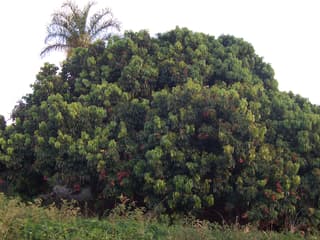
Lychee with Phytophthora: Prevention & Cure
Litchi chinensis
Phytophthora on Lychee: What to Know?
Phytophthora on Lychee (Litchi chinensis) is a other condition with moderate severity. Lychee has moderate susceptibility to this disease. The Phytophthora genus consists of soil-borne oomycetes (water molds) that act as plant pathogens, primarily affecting trees and woody plants. It typically spreads through the root system, leading to...
Lychee is a medium-care plant.
🛡️ How to Prevent Phytophthora on Lychee?
TLDR: Prevent Phytophthora on Lychee with 5 essential preventive care practices.
- ✓ Ensure proper soil drainage to prevent waterlogging and saturated conditions.
- ✓ Utilize resistant species and cultivars, and ensure all seeds and seedlings are healthy and certified disease-free.
- ✓ Implement crop rotation and avoid planting susceptible crops in soil known to be infested with Phytophthora.
- ✓ Apply preventative chemical treatments if necessary, such as copper-based sprays or phosphonates, though be mindful that over-reliance can lead to resistant strains.
- ✓ Sanitize tools, pots, and hands thoroughly to prevent the transmission of the pathogen.
🌱 How to Care for Lychee to Prevent Phytophthora?
💧 How to Water
Water lychee every 5 days on average, keeping the soil consistently moist without waterlogging. Increase frequency during dry spells in the growing season. Reduce watering in winter to stimulate flowering. Avoid overwatering, which can lead to root rot.
☀️ Lighting
Lychee requires full sun — at least 6 to 8 hours of direct sunlight daily. In subtropical and tropical climates, it thrives outdoors. Insufficient light significantly reduces fruit production and overall vigor.
🪴 Ideal Soil
Prefers well-draining, slightly acidic soil (pH 5.5–7.0) rich in organic matter. Avoid compacted or poorly drained soils. Incorporating compost improves soil structure and fertility for better fruit production.