Poor Air Circulation: Environmental Stress | How to Fix
Poor air circulation is an environmental stress condition that occurs when plants lack adequate airflow around their foliage and stems. Stagnant air creates a microenvironment that promotes moisture buildup, depletes available CO2, and weakens plant defenses against fungal diseases and pests. This is especially common with densely packed indoor plants or plants placed in corners with limited ventilation.
Slow
14 days
What is Poor Air Circulation?
Poor Air Circulation is a environmental condition with moderate severity that affects plants. Poor air circulation is an environmental stress condition that occurs when plants lack adequate airflow around their foliage and stems. Stagnant air creates a microenvironment that promotes moisture buildup, depletes available CO2, and weakens plant defenses against fungal diseases and pests. This i...
Poor Air Circulation is a environmental disease with moderate severity that spreads at a slow rate. Recovery typically takes approximately 14 days with proper treatment. It affects 10 plant species in our database.
Unlike infectious diseases, Poor Air Circulation is caused by environmental conditions. Without correcting the environment, symptoms return even after treatment. Unlike many common diseases, Poor Air Circulation is not contagious between plants.
🔍 What Are the Symptoms of Poor Air Circulation?
TLDR: Poor Air Circulation presents 8 main symptoms. Early identification is crucial for effective treatment.
Main Symptoms
- ! Yellowing or curling leaves
- ! Stunted or slow growth
- ! Weak, spindly stems that cannot support the plant
- ! Drooping or wilting despite adequate watering
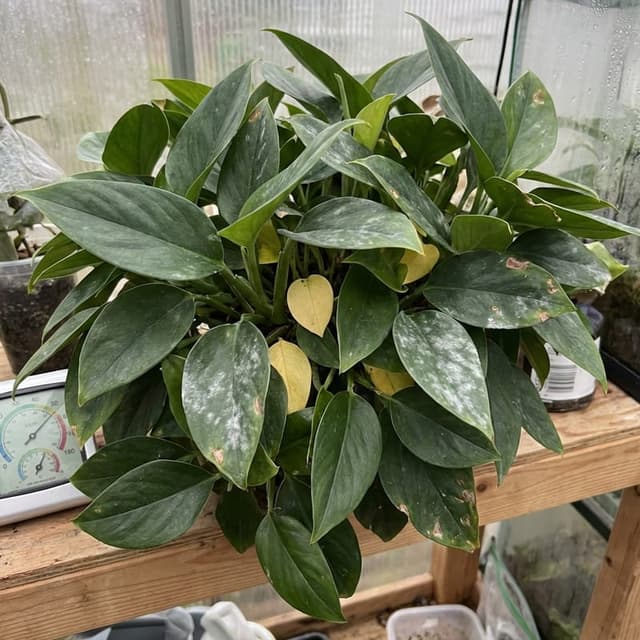
- ! Mold, mildew, or fuzzy growth on leaves or soil surface
- ! Increased susceptibility to pests like fungus gnats and spider mites
- ! Leggy, etiolated growth with pale coloration
- ! Leaf drop or browning at leaf tips
Visual Signs
❓ What Causes Poor Air Circulation in Plants?
- → Plants placed too close together, blocking airflow
- → Lack of ventilation in indoor spaces
- → Overly dense foliage or overgrown canopy
- → Placement in corners, enclosed terrariums, or closed spaces
- → Absence of fans or natural breezes
- → High humidity with no air movement
- → Poor room layout restricting air exchange
💊 How to Treat Poor Air Circulation?
TLDR: Treat Poor Air Circulation with 7 days of quick treatment or 14 days of organic treatment. Full recovery takes approximately 14 days.
Quick Fixes
~7 days
Install a fan immediately
Place a small oscillating fan in the room set to low speed. Aim for gentle movement where leaves rustle slightly but do not bend.
Spread plants apart
Quickly reposition plants to create 6-8 inch gaps between them. Remove any plants from enclosed spaces.
Remove problem foliage
Cut away any moldy, diseased, or dead leaves immediately to prevent spread.
Reduce watering frequency
With improved airflow, soil will dry faster. Wait until top 2 inches are dry before watering.
Run fan continuously
Keep fan running 8-12 hours daily, especially during peak humidity times. Ensure it does not blow directly on plants.
Materials needed:
Organic Treatment
~14 days
Evaluate current setup
Assess plant spacing, room layout, and current airflow patterns. Identify stagnant air zones where plants are struggling.
Space out plants
Reposition plants to be at least 6-12 inches apart. Ensure no leaves are touching between plants.
Prune for airflow
Remove dense inner foliage, dead leaves, and crossed branches to open up the plant canopy and allow air penetration.
Improve natural ventilation
Open windows daily for 15-30 minutes (weather permitting) to introduce fresh air and reduce humidity buildup.
Rotate plants weekly
Turn plants 90 degrees each week to ensure all sides receive even airflow and light exposure.
Monitor soil moisture
Check soil regularly as improved airflow may increase evaporation. Adjust watering schedule accordingly.
Assess improvement
After 2 weeks, look for stronger stems, healthier foliage, and reduced mold/pest issues.
Materials needed:
Expert Treatment
~21 days
Comprehensive airflow assessment
Map room air currents using incense smoke or tissue paper. Identify dead zones with zero air movement. Measure humidity levels throughout the day.
Design optimal plant layout
Create a spacing plan with 8-12 inches between plants. Group plants by similar airflow needs. Place high-foliage plants where natural airflow is strongest.
Install strategic ventilation system
Position 1-2 oscillating fans for cross-ventilation. Use clip-on fans for shelves. Ensure fan placement creates gentle, continuous air movement without cold drafts.
Implement corrective pruning
Thin out 20-30% of dense interior foliage. Remove crossed branches. Open up tree canopies by removing select inner branches. Maintain plant shape while improving airflow.
Optimize humidity control
Target 40-60% humidity with dehumidifier if needed. Combine with fans to prevent moisture stagnation. Use hygrometer to monitor levels.
Establish air exchange schedule
Open windows for 30-60 minutes twice daily (morning and evening) when weather permits. This introduces fresh CO2 and reduces pathogen buildup.
Address underlying issues
Treat any existing fungal infections or pest infestations that developed due to poor airflow. Apply appropriate organic or chemical controls.
Implement preventive monitoring
Check plants weekly for signs of moisture buildup, mold, or weak growth. Adjust fan speed or position as needed seasonally.
Long-term maintenance
Continue fan operation year-round. Prune regularly to maintain open canopies. Reassess spacing as plants grow.
Step by Step
- 1
Assess current plant spacing and room ventilation
- 2
Relocate plants to improve spacing between them
- 3
Install or position a fan for gentle air movement
- 4
Prune dense foliage to open up the canopy
- 5
Monitor for improvement in plant vigor over 2-4 weeks
🧪 Natural vs Chemical: Which Treatment Works for Poor Air Circulation?
🌱 Natural Solutions
- ✓ Reposition plants to areas with better natural airflow
- ✓ Install a small oscillating fan on low speed
- ✓ Prune overcrowded branches to improve internal air circulation
- ✓ Remove dead or diseased leaves promptly
- ✓ Space plants at least 6-12 inches apart
- ✓ Open windows during mild weather for fresh air exchange
💉 Chemical Solutions
- ✓ No chemical solutions needed - this is an environmental issue
- ✓ Address underlying fungal/pest issues if present with appropriate treatments
Treatment Comparison
| Type | Estimated time | Steps | Difficulty | Best For |
|---|---|---|---|---|
| ⚡Quick | ~7 days | 5 | Advanced | Urgent cases |
| 🌿Organic | ~14 days | 7 | Advanced | Indoor plants |
| 🔬Expert | ~21 days | 9 | Advanced | Severe infections |
🛡️ How to Prevent Poor Air Circulation?
TLDR: Prevent Poor Air Circulation with 7 essential care practices. Regular monitoring is key for early detection.
- ✓ Space plants adequately to allow air to flow between them
- ✓ Use oscillating fans to create gentle, indirect airflow
- ✓ Open windows and doors regularly to allow natural ventilation
- ✓ Avoid placing plants in enclosed containers without ventilation
- ✓ Prune dense foliage to open up the plant canopy
- ✓ Rotate plants weekly to ensure even air exposure
- ✓ Maintain moderate humidity levels (40-60%) with good air exchange
🔗Related Diseases
Severe Defoliation
HighThis condition involves a sudden and massive loss of leaves caused by adverse environmental factors. The plant sheds its foliage in an attempt to survive extreme stress, such as abrupt temperature changes, improper watering, or transplant shock. If the underlying cause is not addressed, the plant may completely wither and die.
Severe Defoliation and Dormancy
HighThis condition is triggered by extreme environmental stress, such as sudden temperature fluctuations, insufficient light, or improper watering. In an effort to survive, the plant sheds its leaves and enters a dormant state to conserve energy.
Leaf Drop (Environmental Stress)
MediumLeaf drop occurs when a plant undergoes sudden environmental changes, such as insufficient light, excessive wind, or temperature fluctuations. It is not a fungal disease, but rather a physical response to stress.
Physical Leaf Damage
LowThis is not an infectious disease, but rather the result of external mechanical or environmental factors. It occurs due to rough handling, strong winds, hail, or pets. Leaves exhibit tears, cuts, or frayed edges, but the rest of the plant typically remains healthy and green.